Healthy Traditional Bangladeshi Microwave Cooking: Bringing Home to Your Dorm Room
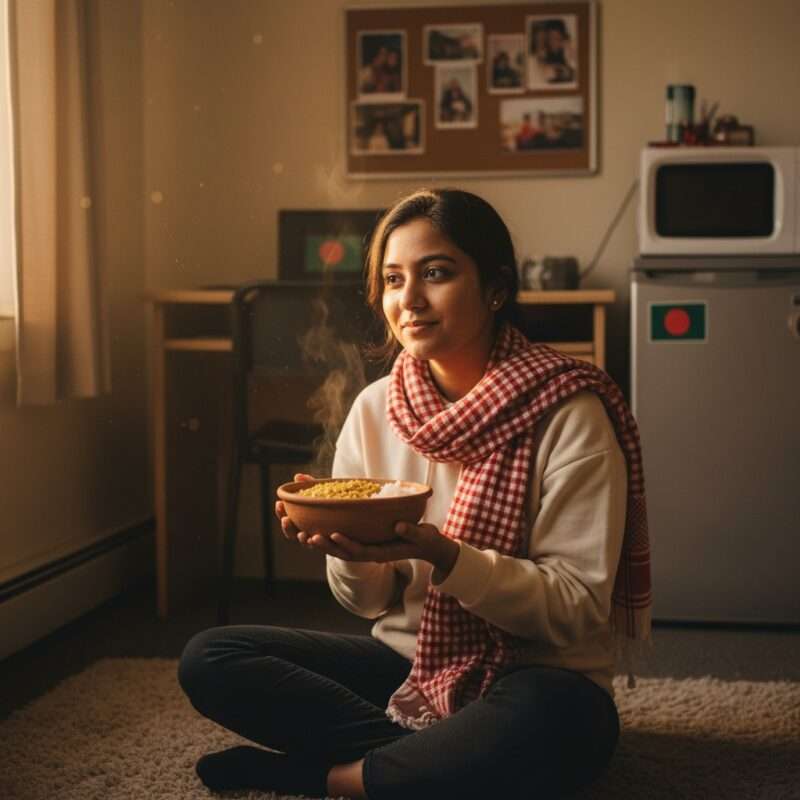
You know that feeling when you’re scrolling through your phone late at night and suddenly a picture of your mom’s bhuna khichuri pops up? Yeah, that one hits different when you’re thousands of miles away. This article isn’t going to magically transport you back to your family’s dining table in Dhaka or Chittagong, but it might help you taste home again—even in a tiny dorm room with just a microwave.
I get it. You’re tired, you’re busy, and the last thing you want is another bland meal that reminds you how far you are from everything familiar. But here’s something most people don’t realize: you can actually cook real Bangladeshi food in a microwave. Not the fancy restaurant version, but the kind your mom or grandmother makes. The kind that feels like a warm hug when you’re feeling homesick.
Why This Matters More Than You Think
Being away from Bangladesh isn’t just about missing the food though let’s be honest, that’s a huge part of it. It’s about missing the smell of panta bhat in the morning, the sound of the pressure cooker whistling while dal cooks, the way your house smelled when someone was making bhapa pitha.

Food connects us to home in ways nothing else can. And when you’re dealing with a new country, a different language, weird weather, and the constant pressure of work or studies, having something familiar to eat isn’t just nice it’s necessary. It’s self-care. It’s a reminder that you’re still you, even when everything around you feels foreign.
I once talked to a student from Sylhet who told me he hadn’t eaten a proper Bangladeshi meal in four months. He was living on instant noodles and pizza because he thought cooking real food was impossible in his dorm. When he finally learned he could make bhuna khichuri in his microwave, he literally got emotional. That’s how powerful this is.
The Microwave Isn’t Your Enemy
Look, I know what you’re thinking. Microwave cooking isn’t “real” cooking. Your mom or aunt would probably shake their head at the idea. But here’s the thing—when you’re far from home with limited resources, the microwave becomes your best friend. It’s not about being lazy. It’s about being smart with what you have.
Bangladeshi cooking relies heavily on rice, lentils, vegetables, and spices. Guess what? All of those work beautifully in a microwave. You won’t get the exact same results as cooking on a stove for hours, but you’ll get close enough to make your heart a little less heavy.
The key is understanding that microwave cooking is just a different method, not an inferior one. You’re still using the same ingredients, the same spices your family uses. You’re just adapting the technique.
What You Actually Need
Before we get into recipes, let’s talk basics. And don’t worry this won’t cost you a fortune.
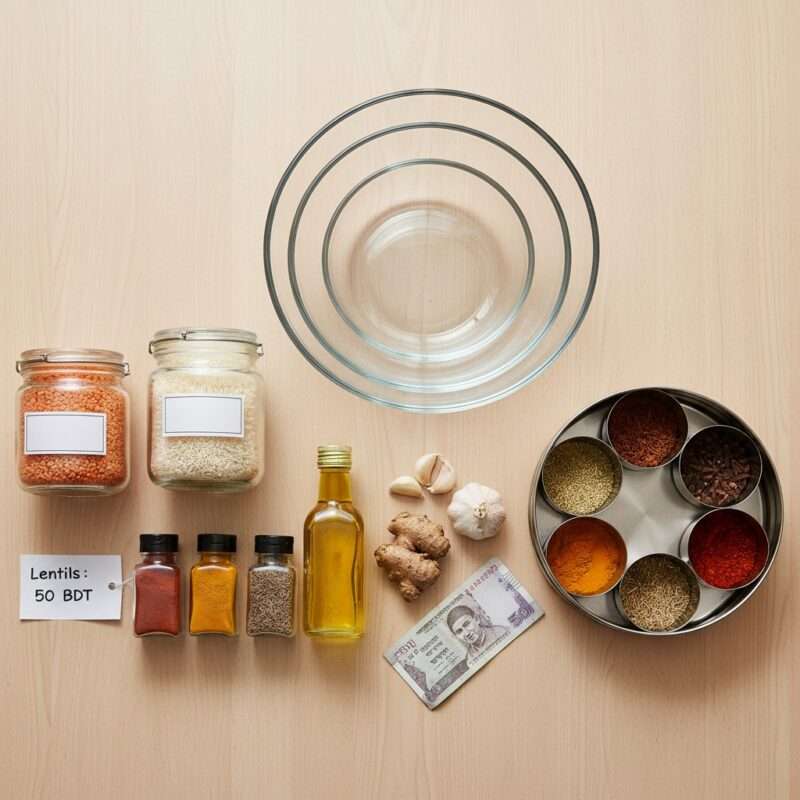
Essential containers: Get at least two microwave-safe glass bowls with lids. The lids are crucial because they trap steam, which is how you’ll cook rice and lentils properly. You can find these at dollar stores or thrift shops for cheap.
Spices from home: This is non-negotiable. If you can, bring these from Bangladesh or find them at South Asian grocery stores: turmeric powder (holud), red chili powder (morich), cumin (jeera), coriander powder (dhone), garam masala, and mustard oil if possible. These are what make food taste like home.
Basic ingredients: Keep rice (obviously), red lentils (musur dal), potatoes, onions, garlic, ginger, and frozen mixed vegetables on hand. With just these, you can make at least a dozen different dishes.
One good knife and a cutting board: You’ll need these for prep work. Get a small cutting board that fits in your limited space.
That’s it. Seriously. You don’t need fancy equipment or a full kitchen. Just these basics and you’re ready to start cooking real food.
Traditional Dishes You Can Actually Make
Dal (Red Lentil Curry)
This is probably the easiest and most comforting thing you can make. Dal is healing food. It’s what your body craves when you’re tired or sick or just missing home.
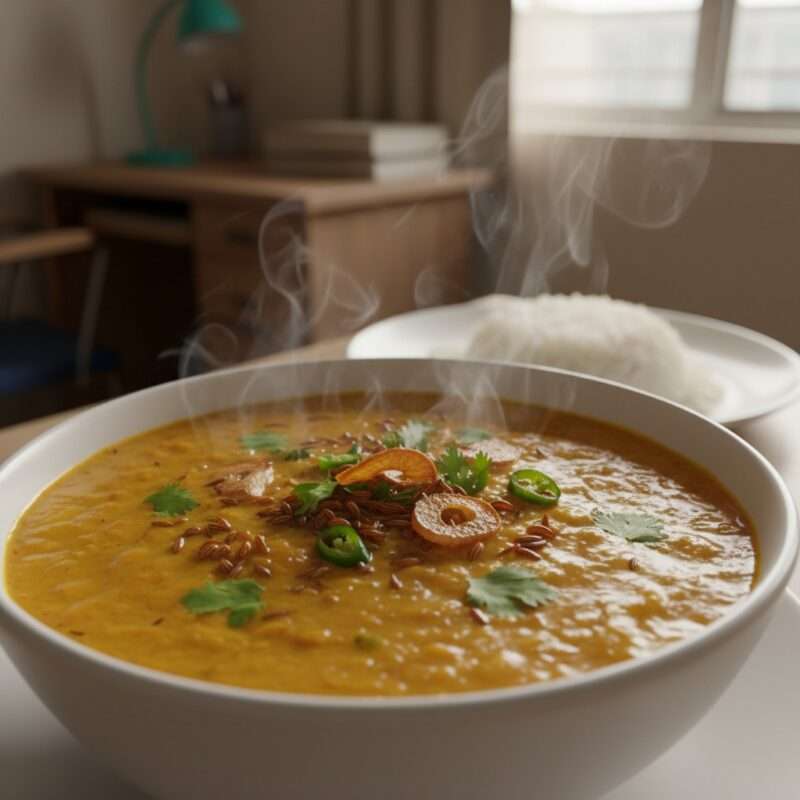
Take half a cup of red lentils, rinse them well, and put them in a large microwave-safe bowl. Add two cups of water, a pinch of turmeric, salt, and a small piece of chopped onion if you have it. Cover and microwave for 8-10 minutes, stirring halfway through. The dal should be soft and mushy.
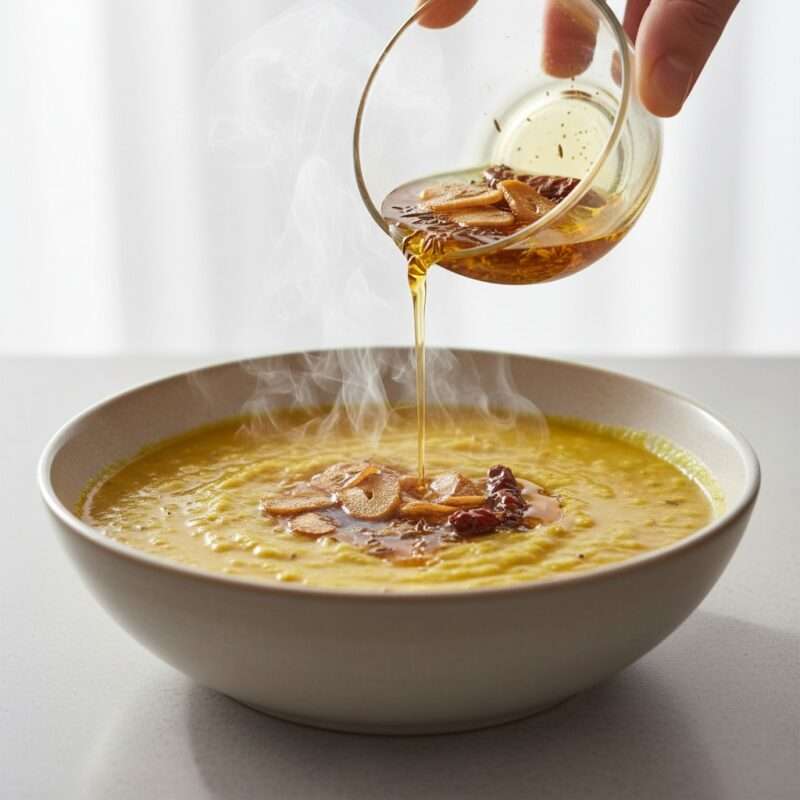
For the tadka (tempering), which is what makes dal taste authentic, take a small microwave-safe bowl, add a tablespoon of oil, some sliced garlic, dried red chilies, and cumin seeds. Microwave for 30-45 seconds until fragrant. Pour this over your cooked dal. That sizzle when the hot oil hits the dal? That’s the sound of home.
Bhuna Khichuri (Spiced Rice and Lentil Mix)
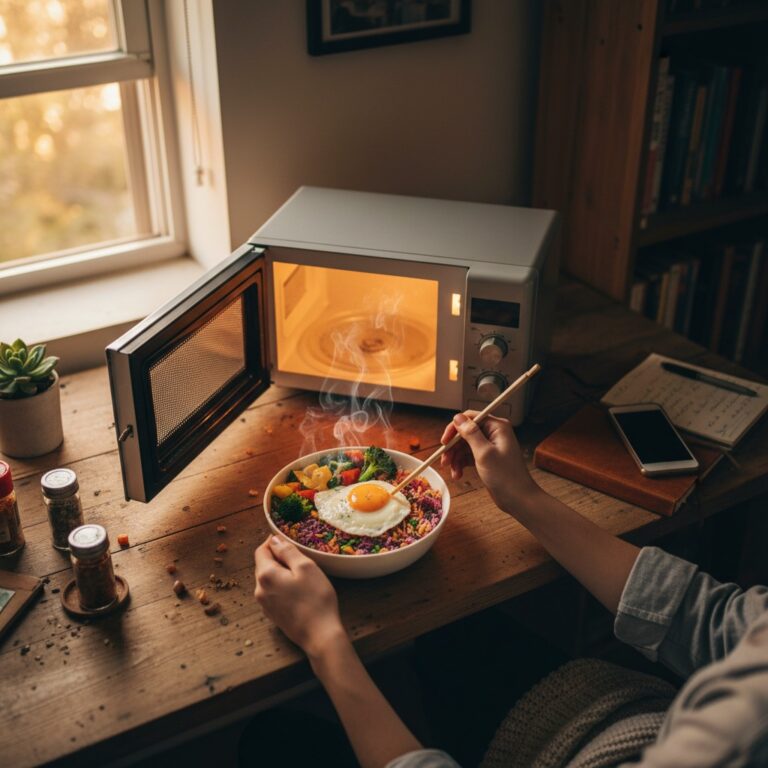
Real khichuri takes time and patience on a stove, but the microwave version is surprisingly good. Mix half a cup of rice with a quarter cup of red lentils. Rinse well. Add to a bowl with one and a half cups of water, turmeric, salt, a bay leaf if you have it, and some chopped vegetables like potatoes or cauliflower.
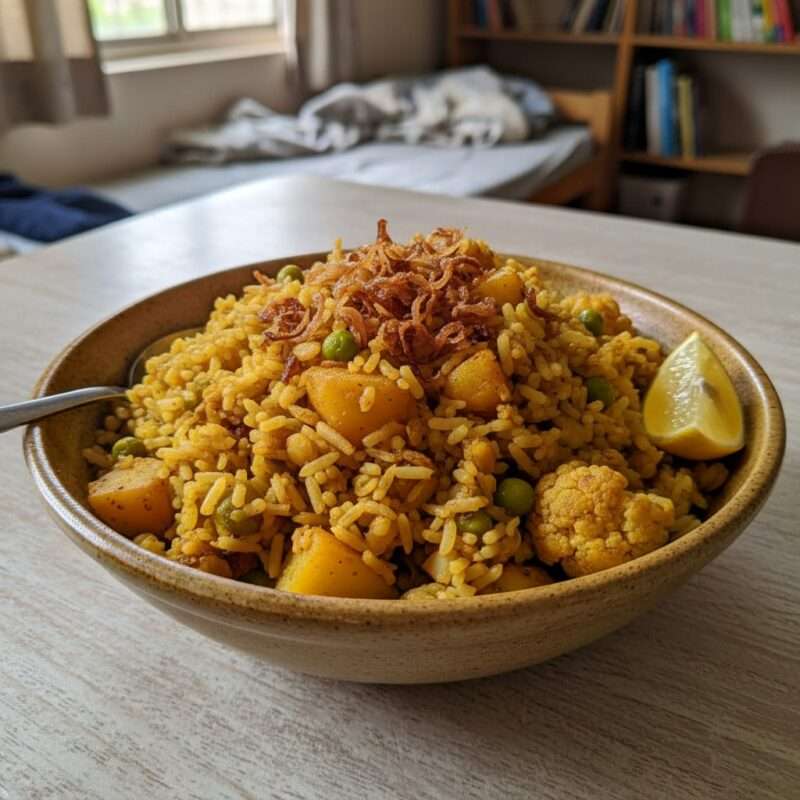
Cover tightly and microwave for 10-12 minutes. Let it sit covered for 3-4 minutes after cooking—this is important because the steam continues cooking the rice. Fluff with a fork. It won’t be exactly like the khichuri from home, but on a rainy day when you’re feeling lonely, it’s pretty damn close.
Aloo Bharta (Mashed Potato with Mustard Oil)
This one’s so simple it almost feels like cheating. Wash a medium potato, poke it several times with a fork, wrap it in a damp paper towel, and microwave for 5-7 minutes until soft. Let it cool slightly, then peel and mash it.
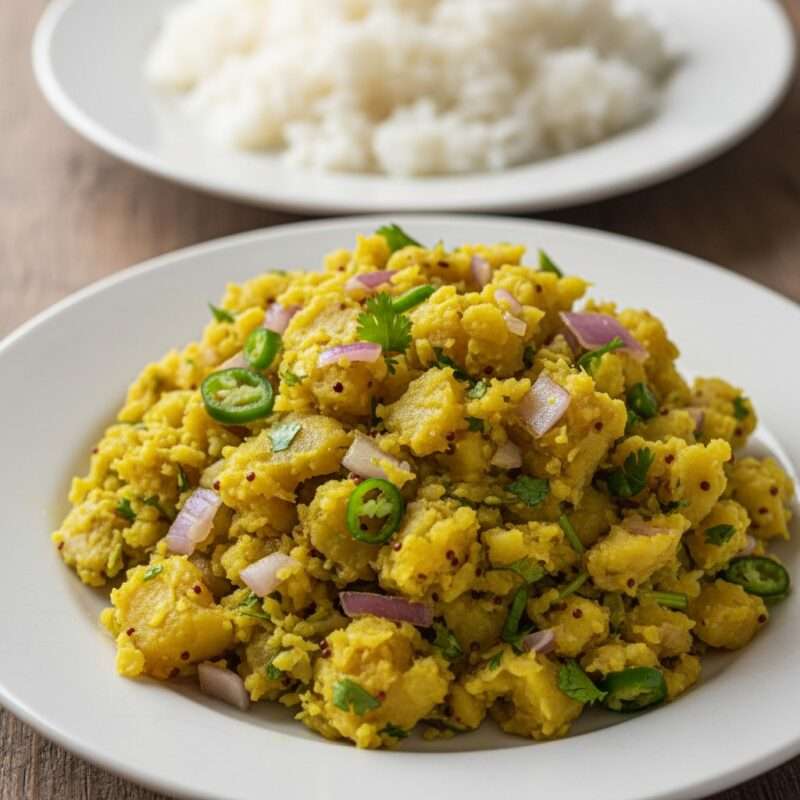
Add finely chopped onions, green chilies, salt, a squeeze of lemon juice, and this is crucial a good amount of mustard oil. Mix well with your hands (use gloves if the chilies are strong). The smell of mustard oil and green chilies will transport you straight back to Bangladesh. Eat this with plain rice or even bread. It’s comfort food at its purest.
Egg Bhurji (Scrambled Eggs with Spices)
Bangladeshi-style bhurji is different from regular scrambled eggs. Beat two eggs in a microwave-safe bowl. Add finely chopped onions, green chilies, cilantro, turmeric, salt, and a tiny pinch of cumin powder. Mix well.
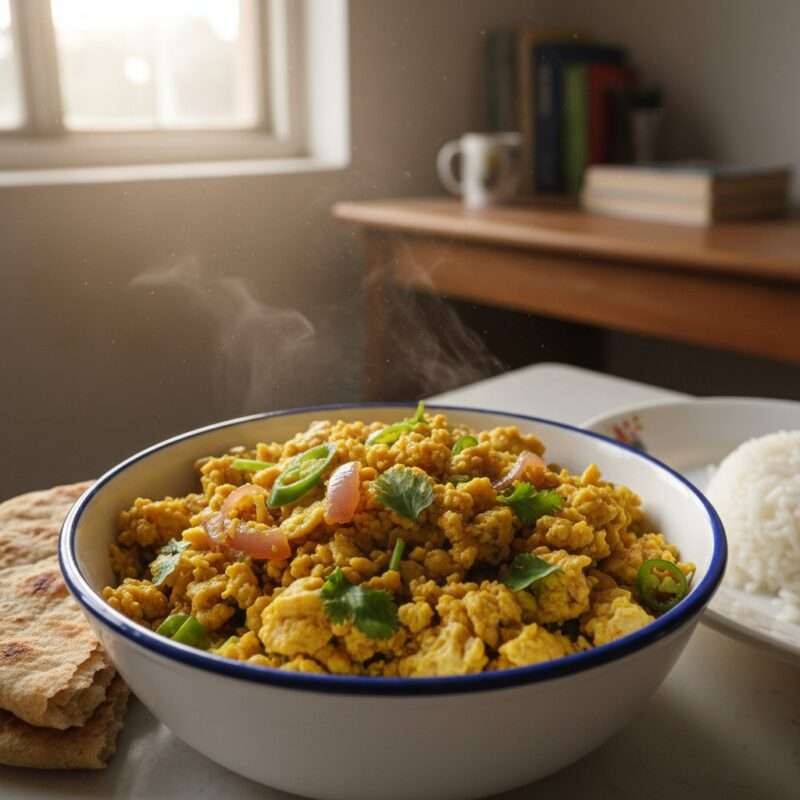
Microwave for 90 seconds, stir thoroughly to break up the eggs, then microwave for another 45-60 seconds. The key is not overcooking better to undercook slightly and let it sit for 30 seconds than to end up with rubbery eggs. Eat this with rice or paratha (you can buy frozen parathas and heat them in the microwave).
Vegetable Curry (Torkari)
The basic template for any Bangladeshi vegetable curry works in a microwave. Chop your vegetables (potatoes, cauliflower, carrots, beans whatever you have). Put them in a bowl with a tablespoon of oil, turmeric, chili powder, cumin, coriander powder, salt, and a little water.
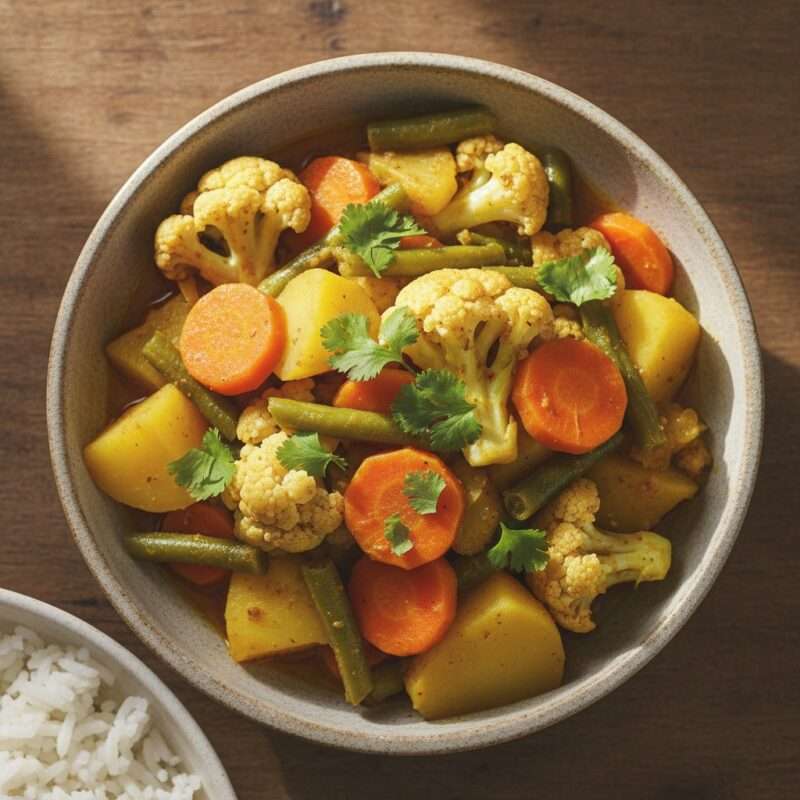
Cover and microwave for 5-6 minutes, stir, then another 3-4 minutes until vegetables are tender. If you want it more curry-like, add a bit more water and some onion paste. The spices do most of the work here they’re what make it taste Bangladeshi rather than just “microwaved vegetables.”
Dimer Jhol (Egg Curry)
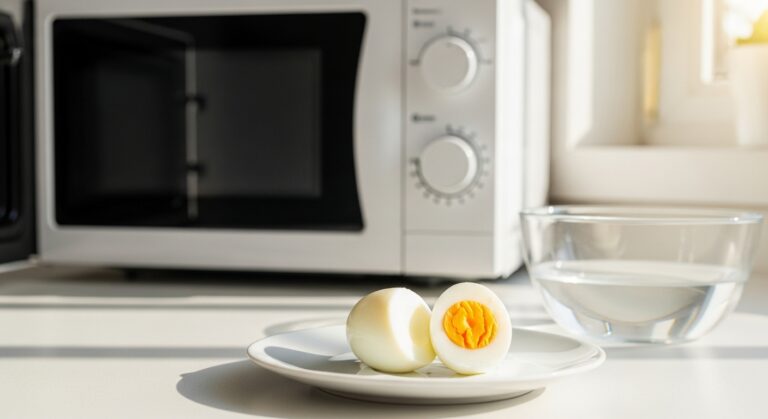
Hard boil eggs in the microwave first (put them in a bowl, cover with water, add a pinch of salt to prevent cracking, microwave for 6-7 minutes, then let them sit in cold water). Peel and set aside.
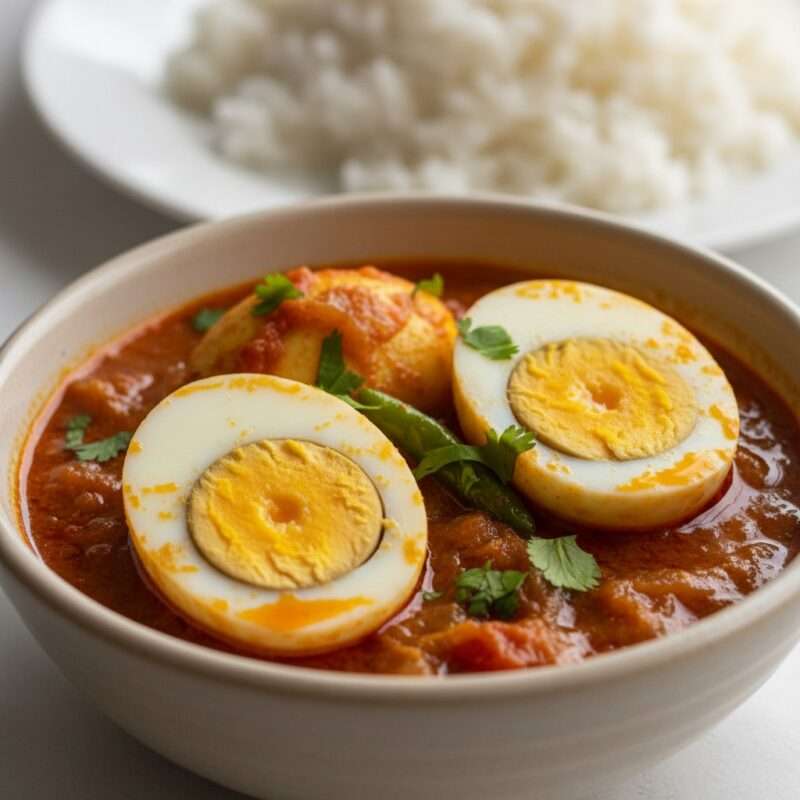
Make a quick curry base: in a bowl, mix water, onion paste (or finely chopped onions), garlic-ginger paste, turmeric, chili powder, cumin, coriander powder, tomato paste if you have it, salt, and a tablespoon of oil. Microwave for 3-4 minutes, stirring once. Add your boiled eggs, coat them in the curry, and microwave for another 2 minutes. It’s not exactly like the dimer jhol your mom makes, but it’s recognizable, and that’s what matters.
Chingri Bhapa (Steamed Shrimp – If You Have Access)
If you can get shrimp and want to treat yourself, this works surprisingly well in a microwave. Marinate cleaned shrimp with mustard paste (you can buy ready-made or make it by grinding mustard seeds with water), turmeric, green chili paste, mustard oil, and salt.
Put the marinated shrimp in a microwave-safe bowl, cover tightly, and microwave for 2-3 minutes depending on size. The steam cooks them gently. It’s a taste of the Bangladeshi coast in a dorm room. Expensive, yes, but for special occasions when you need serious comfort food, it’s worth it.
Making It Taste Like Home
Here’s what nobody tells you when you move abroad: it’s not just about following recipes. It’s about those small details that make food feel authentic.
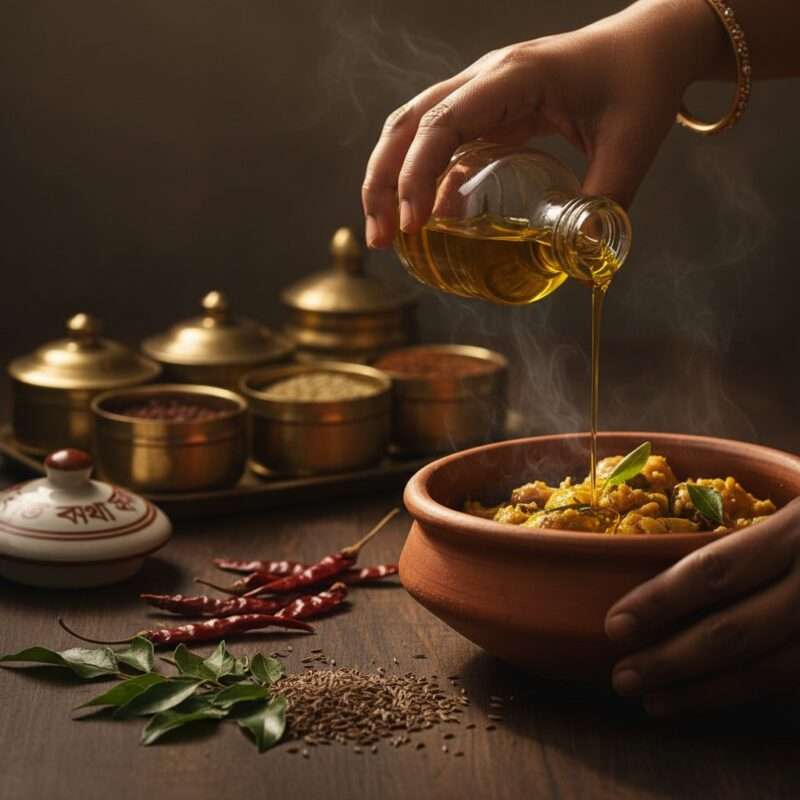
Mustard oil is everything. If you can find it at a South Asian grocery store, buy it. The smell alone will make you feel closer to home. Use it in bharta, in dal tadka, even just drizzled over plain rice. Nothing else tastes quite the same.
Don’t skip the whole spices. Yes, ground spices are easier, but if you can get whole cumin seeds, bay leaves, and dried red chilies, your food will taste exponentially better. Toast them slightly in the microwave with oil before adding other ingredients. That’s where the real flavor comes from.
Adjust for your region. If you’re from Chittagong, you probably like your food spicier and with more dried fish (shutki). If you’re from Sylhet, you might prefer more herbs and a different spice balance. Don’t be afraid to adapt these recipes to match how your family cooks.
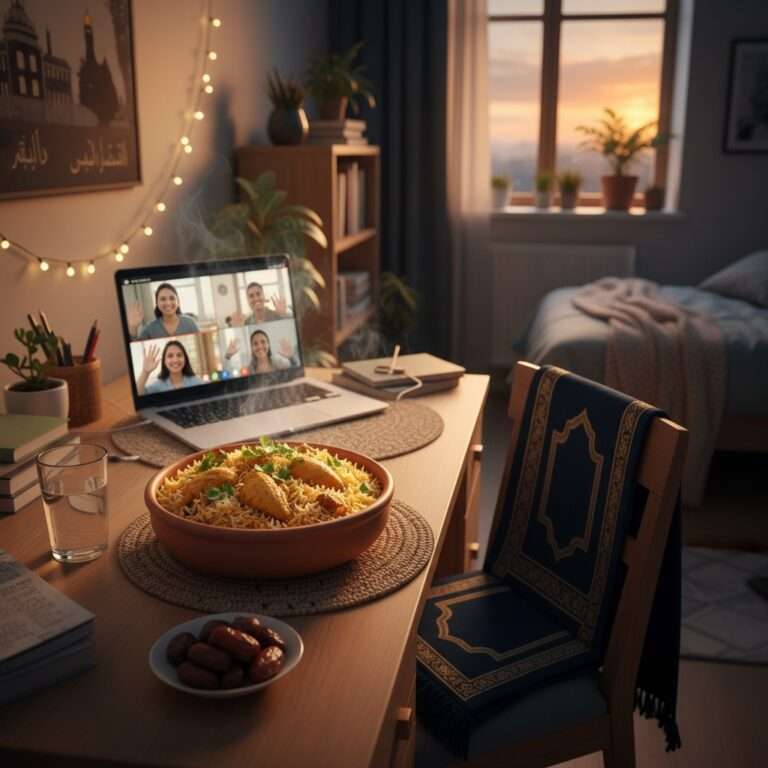
Call home for recipes. Seriously. Video call your mom or grandmother while you’re cooking. They’ll be happy to help, and you’ll feel less alone. Plus, they probably have shortcuts and tricks that make everything taste better.
When You’re Too Homesick to Cook
Some days are harder than others. Maybe you got bad news from home. Maybe the weather is awful and everything feels wrong. Maybe you’re just exhausted from trying to fit into a culture that still feels foreign.
On those days, it’s okay to not cook. It’s okay to just have rice with butter and salt, or even order something. But try to keep some of your spices nearby. Sometimes just the smell of holud or jeera can make you feel a little better, even if you’re not cooking with them.
One thing that helps: meal prep on weekends. Make a big batch of dal or khichuri when you have energy, portion it out, and keep it in the fridge. Then during the week when you’re overwhelmed, you have real food ready to go. Future you will be grateful.
Finding Ingredients Far from Home
This is one of the biggest challenges. Depending on where you are, Bangladeshi ingredients might be hard to find.
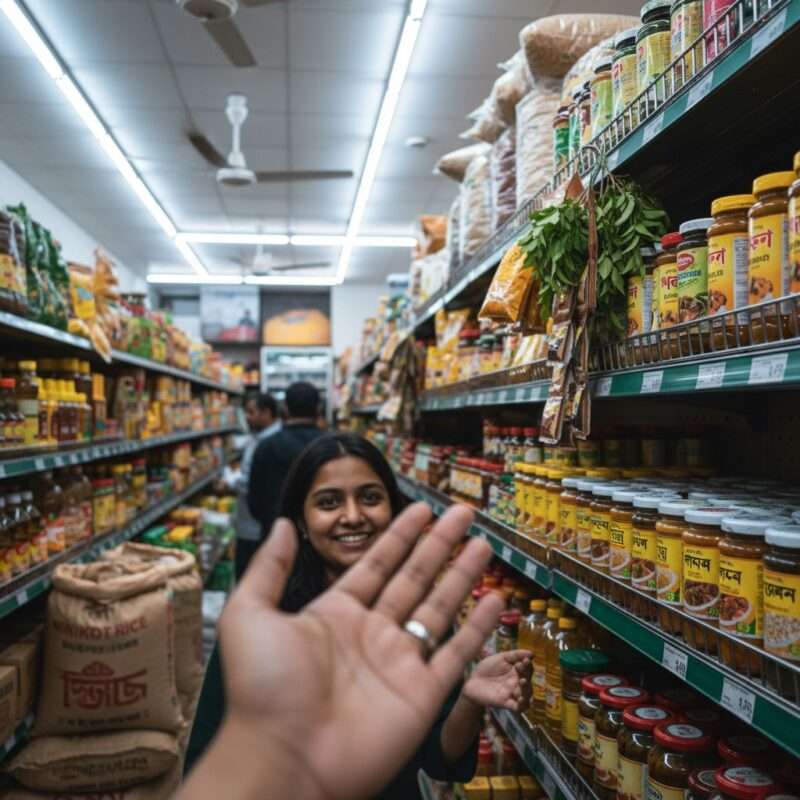
South Asian grocery stores are your best bet. Look for Indian, Pakistani, or Bangladeshi stores. They’ll have everything you need—rice, lentils, spices, even frozen parathas and fish. Yes, they might be far from where you live, but make a trip once a month and stock up.
Online shopping works too. Amazon and specialty food websites sell Bangladeshi spices and staples. It’s more expensive, but sometimes convenience matters.
Substitutions when necessary: If you absolutely can’t find something, adapt. No mustard oil? Use a mix of vegetable oil with a tiny bit of sesame oil for that pungent taste. No fresh curry leaves? The dried ones work okay. Can’t find red lentils? Yellow split peas are different but similar in texture.
Connect with other Bangladeshis. If you’re in a city with other Bangladeshi students or workers, share resources. Maybe someone’s family sent a huge shipment of supplies from home and they’ll share. Maybe you can split the cost of a bulk spice order. Community helps in practical ways, not just emotional ones.
The Health Benefits You’re Not Thinking About
When you’re stressed, busy, and far from home, nutrition often becomes an afterthought. But eating properly matters more now than ever.
Traditional Bangladeshi food is actually incredibly healthy—it’s based on whole grains, lentils, vegetables, and moderate amounts of protein. The spices we use (turmeric, cumin, coriander, ginger, garlic) aren’t just for flavor—they have genuine health benefits. Turmeric is anti-inflammatory. Cumin aids digestion. Ginger helps with nausea and stress.
When you eat familiar food, you’re not just feeding your body. You’re reducing stress, which affects everything from your immune system to your ability to focus on studies or work. The act of cooking itself can be meditative, especially when you’re making something that connects you to home.
Plus, let’s be real: eating takeout constantly makes you feel terrible. The guilt, the expense, the way your body feels sluggish afterward—it all adds up. Cooking your own food gives you control and makes you feel more capable, which is important when everything else feels uncertain.
Building a Routine That Works
The key to actually cooking regularly is making it part of your routine, not something special you do once in a while.
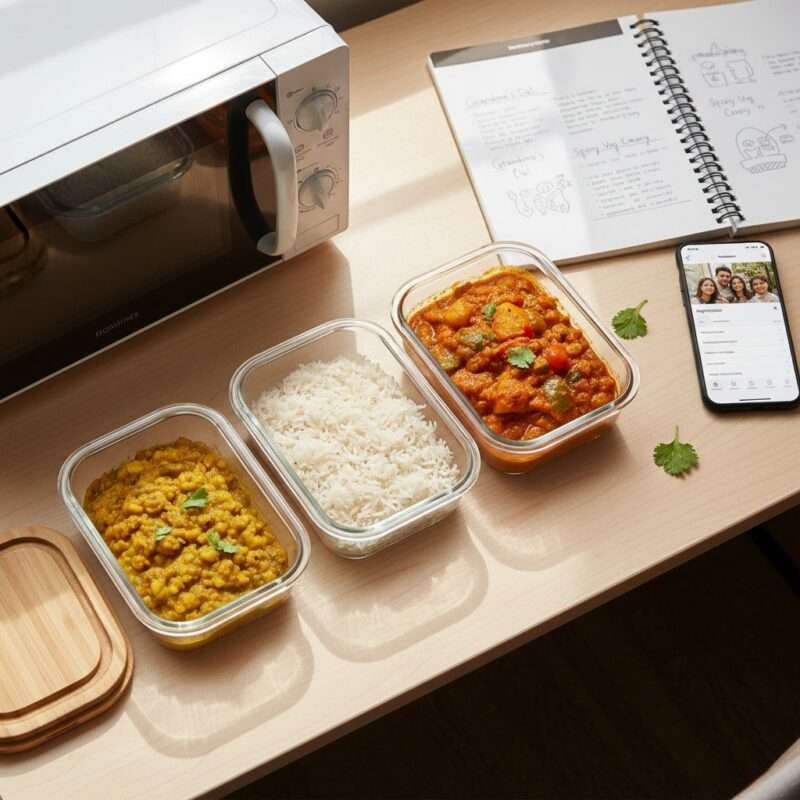
Sunday meal prep works for a lot of people. Spend two hours on Sunday afternoon making big batches of rice, dal, and a vegetable curry. Portion them into containers. During the week, just reheat. Add a quick tadka or some fresh cilantro on top to make it feel less like leftovers.
Quick weeknight strategy: Keep some pre-cooked rice in the fridge. Then on weeknights, you only need to make one quick dish—dal, bharta, egg bhurji—to have a complete meal. Total time: 15 minutes or less.
Special occasion cooking: Save more elaborate dishes for weekends or when you’re particularly homesick. Making something complex can be therapeutic when you have time. Put on some Bangladeshi music, video call home, and make a proper feast for yourself.
You’re Not Alone in This
There’s something important I want you to understand. Thousands of Bangladeshis are going through exactly what you’re going through right now. In dorm rooms and small apartments across America, Canada, Europe, Australia everywhere people are missing home and trying to figure out how to cook familiar food in unfamiliar kitchens.
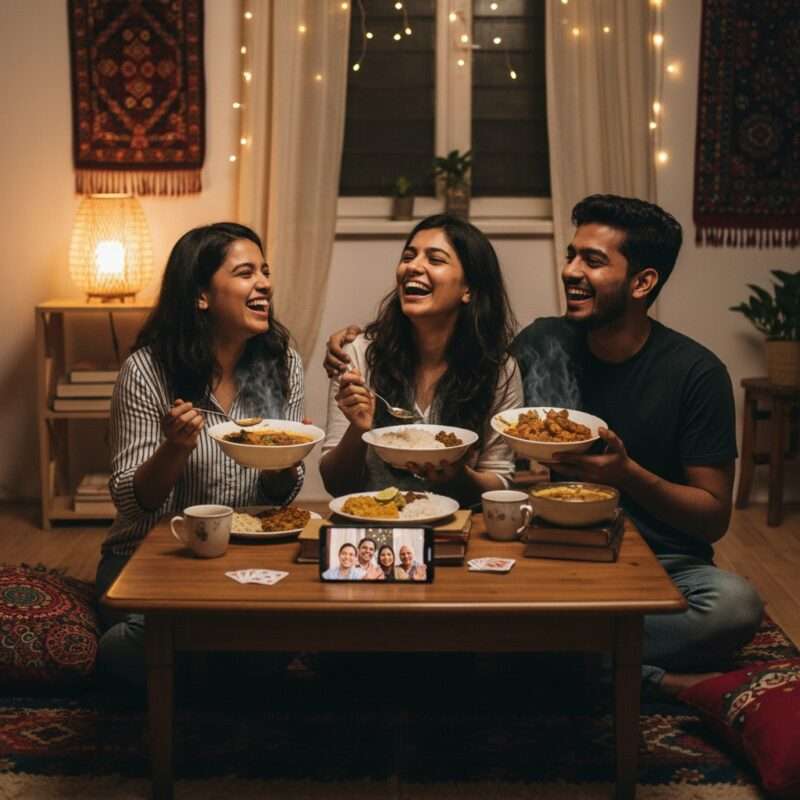
You’re not being silly or dramatic for caring so much about food. Food is culture. Food is memory. Food is love. When you cook these dishes, you’re maintaining a connection to who you are and where you come from. That’s not trivial that’s survival.
And here’s something else: every time you cook a Bangladeshi meal in your dorm room, you’re doing something brave. You’re refusing to completely assimilate. You’re saying “I belong here too, and I’m bringing my culture with me.” That matters.
Quick Tips for Success
Start with what you know best. Don’t try to make complicated dishes first. Start with whatever your favorite comfort food from home is. For most of us, that’s dal and rice. Master that, then expand.
Accept imperfection. Your microwave khichuri won’t taste identical to your grandmother’s. That’s okay. It doesn’t have to be perfect to be comforting.
Keep experimenting. Microwave cooking has a learning curve. Your first few attempts might not turn out great. Keep trying. Adjust water amounts, timing, spice levels. You’ll figure out what works.
Document what works. When you make something that tastes really good, write down exactly what you did. Microwave wattages vary, so you need to learn your specific microwave’s quirks.
Share with others. If you have Bangladeshi friends nearby, cook together sometimes. Or share food with them. It makes the homesickness less heavy when you’re not facing it alone.
When You Get to Go Home
Someday, you’ll go back to Bangladesh. Maybe for a visit, maybe for good. And when you do, the food will taste even better than you remembered. You’ll appreciate it in ways you never did before.
But until then, you have these recipes. These methods. These ways of bringing home to wherever you are right now. It’s not the same as being there—nothing is. But it’s something. And sometimes, something is enough to get you through another week, another month, another semester.
Every time you cook one of these dishes, you’re taking care of yourself. You’re honoring where you come from. You’re building a bridge between the life you had and the life you’re building. That’s powerful. That’s important.
So grab your microwave-safe bowl, pull out those spices, and make yourself some proper food. You deserve it. And who knows? Maybe the smell of cooking dal will drift into the hallway and make another homesick Bangladeshi student feel a little less alone too.
Quick FAQ
Can I really cook rice properly in a microwave?
Yes, absolutely. Use a large bowl (rice expands a lot), add rice and water in a 1:2 ratio, cover, and microwave for 10-12 minutes. Let it sit covered for 5 minutes after. It works well once you figure out your microwave’s timing.
How do I store leftover dal and curry?
In airtight containers in the fridge for 3-4 days. Dal actually tastes better the next day after flavors develop. Reheat with a splash of water since it thickens when cold.
Where can I find mustard oil outside Bangladesh?
Most Indian or South Asian grocery stores carry it. You can also order it online. Look for pure mustard oil (not the one labeled “for external use only”—that’s a legal labeling thing in some countries but it’s actually fine for cooking).
What if I can’t find fresh curry leaves or paan?
Focus on what you can find. Dried curry leaves work okay. For paan, there’s no good substitute, so just skip it in recipes. The food will still taste recognizably Bangladeshi with the other spices.
Is microwave cooking as healthy as regular cooking?
Actually yes, sometimes healthier because you use less oil and shorter cooking times preserve more nutrients. The main difference is texture and some flavor depth, not nutrition.
How do I prevent rice from getting mushy in the microwave?
Use less water (closer to 1:1.5 ratio instead of 1:2), reduce cooking time slightly, and most importantly, let it rest covered after cooking. The steam finishes the job without overcooking.
Can I make roti or paratha in a microwave?
Not really—you need direct heat for those. But you can buy frozen parathas from South Asian stores and heat them in the microwave (they won’t be crispy but they’re edible). Or invest in a small pan for stovetop if you have access.
What’s the best way to reheat rice without it getting hard?
Sprinkle a tablespoon of water over the rice before reheating, cover it, and microwave in 30-second intervals. The steam softens it back up.
Nutrition Quick Facts
Dal is a complete protein when combined with rice. Together they provide all essential amino acids your body needs. This is why dal-bhat has been a staple meal for generations—it’s nutritionally complete.
Turmeric (holud) is scientifically proven to reduce inflammation and may help with depression and anxiety—both common issues for people adjusting to life abroad. The amount in daily cooking adds up.
Lentils are high in iron and folate, which many international students become deficient in. One cup of cooked dal provides about 40% of your daily iron needs.
Traditional Bangladeshi cooking uses minimal processed ingredients, which means less sodium, fewer preservatives, and more fiber than typical Western fast food. Your gut will thank you.
Ginger and garlic boost immune function. When you’re stressed (which weakens immunity), the regular consumption of these ingredients in your cooking helps protect you from getting sick.
Eating familiar food reduces cortisol (stress hormone) levels. This isn’t just emotional—it’s measurable physiological change. Your body literally relaxes when you eat food from home.
The fiber in rice, lentils, and vegetables helps maintain stable blood sugar, which affects your mood, energy, and concentration. This matters a lot when you’re trying to study or work in a demanding environment.
Homemade meals average 500-700 calories versus takeout meals at 900-1500 calories. Plus you control sodium and oil amounts, which is important for long-term health.
Cost Breakdown: Homemade vs. Takeout
| Meal Type | Takeout Cost | Homemade Microwave Meal Cost | Savings Per Meal | Monthly Savings (20 meals) |
| Dal & Rice | $10-14 | $1.50-2.00 | $8.50-12 | $170-240 |
| Vegetable Curry & Rice | $12-16 | $2.50-3.50 | $9-13 | $180-260 |
| Egg Dish & Rice | $9-13 | $1.80-2.50 | $7-11 | $140-220 |
| Khichuri | $11-15 | $2.00-3.00 | $8.50-12 | $170-240 |
| Average Total | $10.50-14.50/meal | $2.00-2.75/meal | $8.25-12/meal | $165-240/month |
Real talk: That monthly savings of $165-240 is significant money. For most students and migrant workers, that could be:
- A cheap flight home once a year
- Half your monthly rent
- Your phone bill and internet combined
- Emergency savings for unexpected situations
- Sending money back to family
Initial investment: You’ll spend about $40-60 upfront for spices, containers, and basic ingredients. You’ll make that back in your first week of cooking.
The hidden savings: Beyond just food cost, consider:
- No delivery fees ($3-5 per order)
- No tips (another $2-4)
- Less food waste (you control portions)
- Fewer impulse purchases while picking up takeout
- Better health = fewer medical expenses
Budget strategy: Even if you only cook 50% of your meals and get takeout the other 50%, you’re still saving $80-120 per month. Start small and build up as you get comfortable with microwave cooking.
Recipe Card: Microwave Dal (Musur Dal)
Prep Time: 5 minutes
Cook Time: 10 minutes
Total Time: 15 minutes
Servings: 2
Ingredients
- ½ cup red lentils (musur dal), rinsed well
- 2 cups water
- ½ teaspoon turmeric powder (holud)
- ½ teaspoon salt (adjust to taste)
- ¼ small onion, finely chopped
- ½ teaspoon cumin seeds (jeera)
- 2-3 cloves garlic, sliced thin
- 1 dried red chili (morich), broken
- 1 tablespoon oil (mustard oil preferred, or vegetable oil)
- Fresh cilantro for garnish (optional)
Instructions
- Cook the dal: Place rinsed lentils in a large microwave-safe bowl (at least 1.5 liters capacity). Add water, turmeric, salt, and chopped onion. Stir to combine.
- First microwave: Cover bowl with a microwave-safe lid or plate. Microwave on high for 8 minutes.
- Stir and continue: Remove carefully (it will be hot), stir well, especially around the edges. Cover again and microwave for another 2-3 minutes until lentils are completely soft and mushy.
- Make tadka: In a small microwave-safe bowl, combine oil, cumin seeds, sliced garlic, and broken red chili.
- Heat tadka: Microwave the oil mixture uncovered for 30-45 seconds until garlic turns golden and you can smell the cumin strongly. Watch carefully garlic burns quickly.
- Combine: Pour the hot tadka over the cooked dal. It should sizzle. Stir gently to incorporate.
- Rest and serve: Let sit for 2-3 minutes to allow flavors to meld. Garnish with cilantro if available. Serve hot over rice.
Nutrition Facts (Per Serving)
- Calories: 195
- Protein: 12g
- Carbohydrates: 28g
- Fat: 7g
- Fiber: 7g
- Iron: 3.6mg (20% daily value)
- Folate: 179mcg (45% daily value)
- Sodium: 295mg
Notes
Bowl size matters: Dal expands significantly and bubbles up while cooking. Always use a bowl at least twice the size of your initial ingredients or it will overflow and make a mess. I learned this the hard way—cleaning dal off the inside of a microwave is not fun.
Water adjustments: Different microwaves cook at different speeds. If your dal seems too thick, add ¼ cup water and microwave for another minute. If it’s too watery, microwave uncovered for 1-2 minutes to reduce. You want a consistency that’s pourable but not soupy it should coat a spoon.
Lentil variety: This recipe specifically uses red lentils (musur dal) because they cook fastest. Other types like mung dal (moong dal) or chana dal take longer and may need 12-15 minutes total cooking time with more water.
Tadka timing is critical: The tadka (tempering) is what transforms this from bland to authentic. Don’t skip it. But watch carefully during that 30-45 seconds—the difference between perfectly golden garlic and burnt garlic is about 10 seconds. If you burn it, throw it out and start the tadka over. Burnt garlic tastes bitter and ruins the whole dish.
Make it richer: For special occasions or when you’re really missing home, add a small dollop of ghee (clarified butter) on top just before serving. My grandmother always did this and the smell alone is incredibly comforting.
Onion alternatives: If you don’t have fresh onion, use ¼ teaspoon onion powder mixed into the dal before cooking. Not quite the same, but acceptable. Or skip it entirely—the tadka with garlic provides enough flavor.
Spice level: This recipe is mild. For more heat, add ¼ teaspoon red chili powder (morich) to the dal while cooking, or use 2-3 dried chilies in the tadka instead of one. Adjust based on your preference and what your stomach can handle (stress sometimes makes people more sensitive to spice).
Storage and reheating: Dal keeps in the fridge for 4-5 days and actually tastes better the next day after flavors develop. It will thicken considerably when cold—this is normal. When reheating, add 2-3 tablespoons water, stir, and microwave for 1-2 minutes. You can also freeze portions for up to 2 months.
Common mistakes to avoid:
- Not rinsing lentils properly (makes dal foamy and bitter)
- Using a bowl that’s too small (creates overflow mess)
- Skipping the stir halfway through cooking (causes uneven cooking with crunchy lentils on bottom)
- Overcooking the tadka (burnt garlic or cumin tastes acrid)
- Adding salt to the tadka oil (causes dangerous splattering)
Protein boost: Add a quartered hard-boiled egg on top (cook eggs separately in microwave: cover with water, add pinch of salt, microwave 6-7 minutes, cool in cold water). This makes it a complete meal when you don’t have energy to cook rice separately.
If you don’t have cumin seeds: Use ½ teaspoon cumin powder mixed into the dal before cooking. The flavor won’t be quite as aromatic as the tadka version, but it still works.
Regional variations:
- Sylheti style: Add more garlic (up to 5-6 cloves) and a pinch of panch phoron (five-spice mix) instead of just cumin
- Chittagong style: Add a piece of dried fish (shutki) while cooking the dal for deep umami flavor
- Dhaka style: This recipe is pretty standard Dhaka-style simple and balanced
Pairing suggestions: Eat with plain white rice (the classic), or mix into rice to make a khichuri-style dish. Also excellent with paratha if you can get frozen ones. Some people like adding a squeeze of lemon juice on top try it, the acidity brightens everything.
When you’re too tired: Make a double or triple batch on weekends. Portion into individual containers. During the week, just reheat one portion—takes 90 seconds and you have a proper meal. This is honestly the strategy that kept me eating real food during my busiest semesters.
Troubleshooting:
- Dal tastes bland? You probably need more salt and the tadka should be more generous with spices.
- Dal too liquidy? Microwave uncovered for 1-2 minutes extra to evaporate water.
- Lentils still crunchy? Add ½ cup more water and cook 3-4 minutes longer. Older lentils take longer to cook.
- Tadka doesn’t sizzle when poured? The oil wasn’t hot enough. Microwave it 15 more seconds next time.
Why this recipe matters: Dal is healing food. When you’re sick, stressed, or heartbroken, this is what makes you feel cared for. It’s what your mom would make if she were there. Learning to make it properly for yourself is an act of self-love, not just survival cooking.