Microwave Mastery for Students & Small Spaces: Your Kitchen Survival Guide When Home Feels Far Away
Quick Summary
This article walks you through mastering microwave cooking when you’re studying or working abroad and missing home like crazy. You’ll learn practical techniques that transform your tiny dorm or shared apartment kitchen into a space where you can actually cook real food—not just instant noodles again.
We cover the emotional side too, because let’s be real: cooking alone in a foreign country hits different. But here’s the thing—your microwave isn’t just an appliance. It becomes your connection to comfort when everything feels overwhelming.

You’ll discover how to make actual meals that remind you of home, save serious money compared to eating out every day, and feed yourself properly without fancy equipment or a full kitchen. Plus, we’ve included cost breakdowns showing exactly how much you’ll save, nutrition facts that matter, and honest answers to questions you’ve probably googled at 2 AM.
🔥 CookingRescue.com
Microwave Mastery for Students & Small Spaces
Getting Started: What You Actually Need
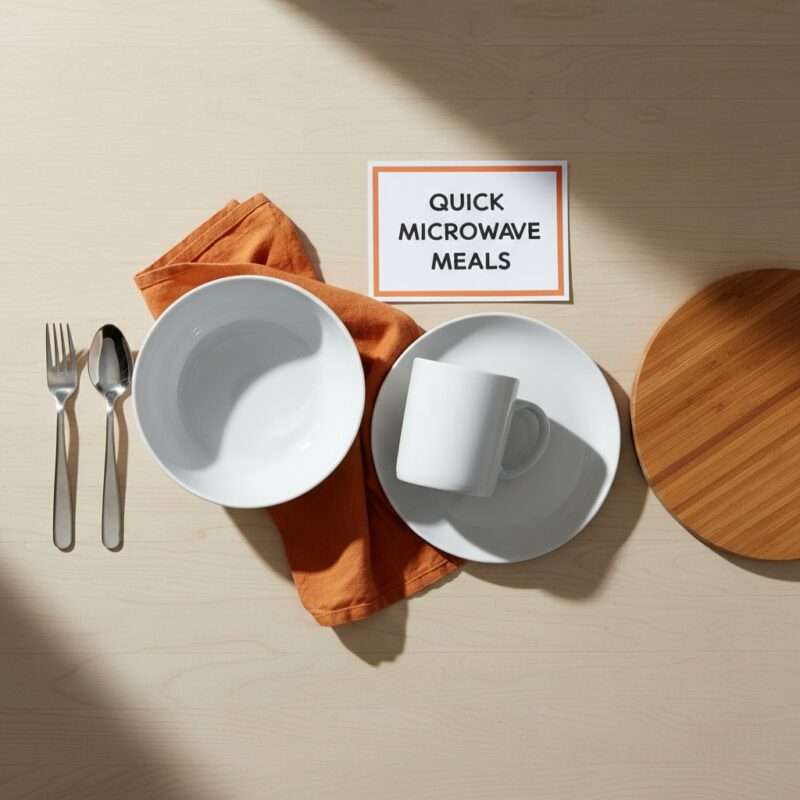
Forget those fancy cooking blogs with 47 gadgets you need to buy. Here’s your real list:
The Basics:
- Your microwave (obviously)
- One or two microwave-safe bowls
- A mug
- A plate
- A fork and spoon
That’s it for starting out.
If you can swing it, add a small cutting board and a cheap knife. But honestly? You can make it work with just the first list. I’ve been there, starting with almost nothing because shipping stuff internationally costs too much and stores here charge crazy prices.
Learning Your Microwave’s Personality
This sounds dumb, but every microwave is different. Yours might be ancient and weak, or maybe it’s got weird power surges. You need to figure it out.
Start simple. Heat a cup of water for two minutes. Is it boiling? Barely warm? Now you know. Most recipes assume a standard 1000-watt microwave, but your dorm probably has a 700-watt one that’s been there since 2003. So add time accordingly.
Also, that spinning plate inside? If it doesn’t spin, rotate your food manually halfway through. Yeah, it’s annoying. But it beats eating something that’s frozen on one side and volcanic on the other.
5 Recipes That Actually Work (And Feel Like Real Food)
1. The “I Miss Home” Rice Bowl
Rice in a microwave sounds wrong until you try it. Then it’s a lifesaver.
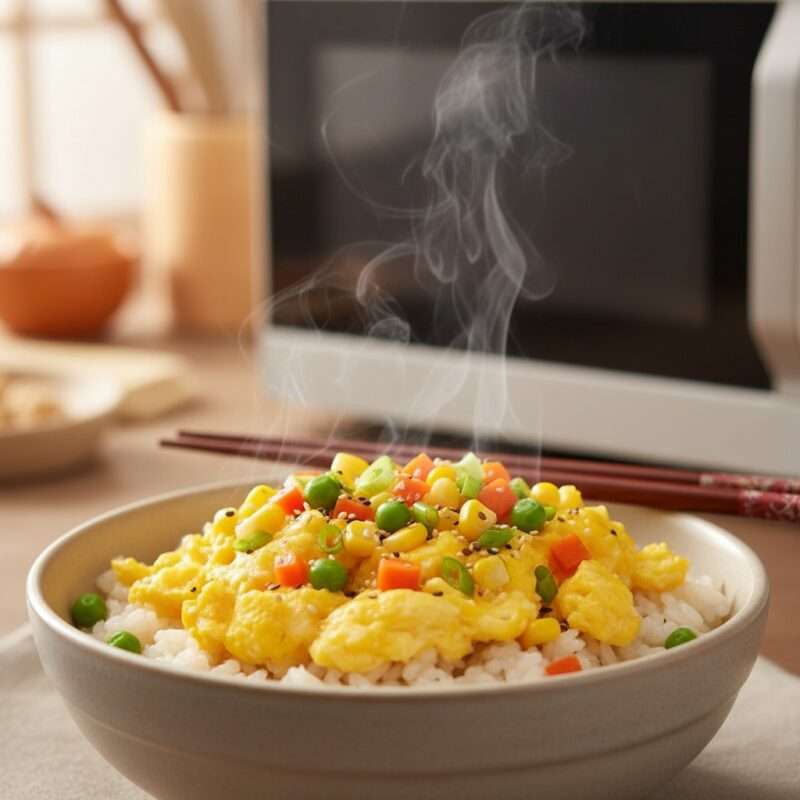
Rinse 1 cup of rice. Put it in a big microwave-safe bowl with 2 cups of water and a pinch of salt. Cover loosely (leave a gap for steam). Microwave on high for 5 minutes, then 50% power for 10 minutes. Let it sit for 5 minutes.
Now add whatever you have—canned tuna, frozen veggies, an egg, soy sauce, hot sauce. Doesn’t matter. You’ve got a real meal.
2. Scrambled Eggs That Don’t Suck
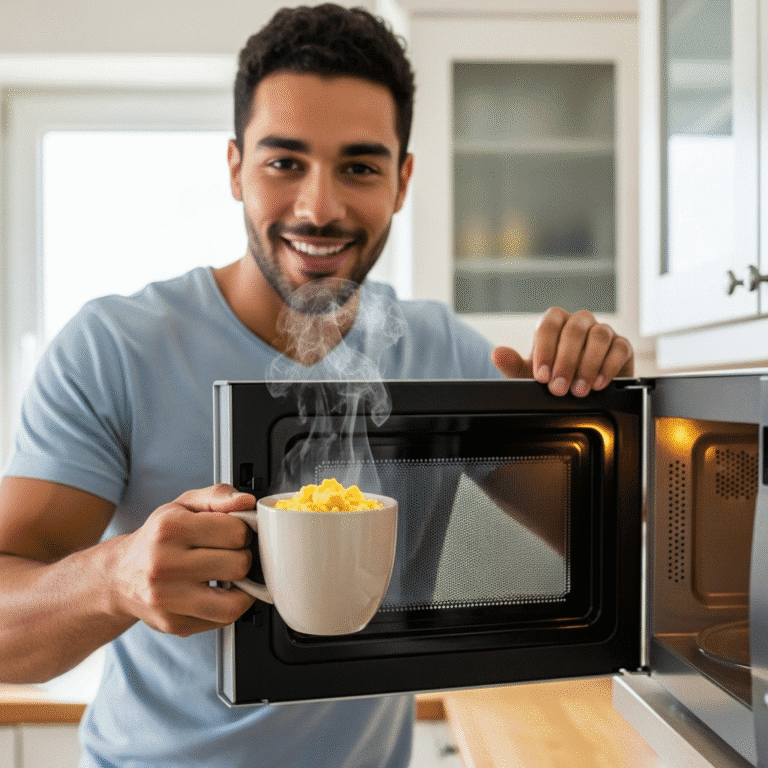
Crack 2 eggs in a mug. Add a splash of milk if you have it (or just water). Salt, pepper. Whisk it with a fork like your life depends on it.
Microwave 45 seconds. Stir. Another 30-45 seconds. Done.
Eat it right from the mug because who has energy for extra dishes? Not you. Not today.
3. The “Payday is Far Away” Pasta
This one saves you when money’s tight. Pasta in a bowl, cover it with water (about 2 inches above the pasta). Microwave 8-10 minutes, stirring halfway.
Drain most of the water. Add butter or oil, salt, maybe some cheese if you’ve got it. Garlic powder if you’re feeling fancy. Black pepper. Mix it up.
Is it gourmet? No. Will it fill you up for under $1? Absolutely.
4. Baked Potato (But Not Really Baked)
Stab a potato several times with a fork. Seriously, don’t skip this or it might explode (happened to my roommate once, still haven’t let him forget it).
Microwave 5 minutes. Flip it. Another 3-4 minutes until soft. Top with literally anything—butter, cheese, beans, leftover meat, nothing at all.
One potato, properly topped, can be dinner. It’s cheap, filling, and honestly comforting.
5. Mug Cake for Homesick Nights
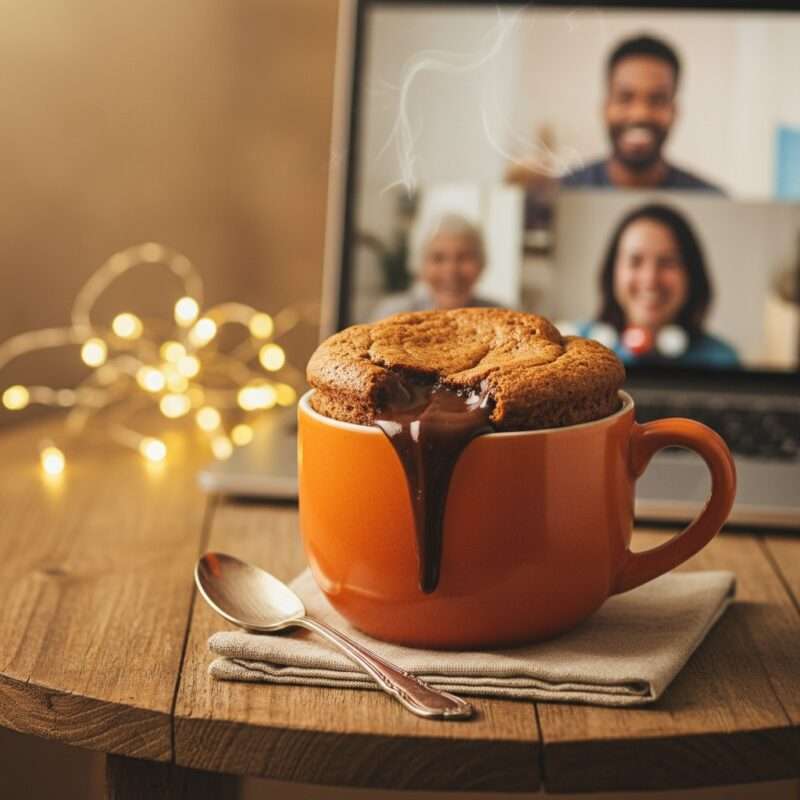
Some nights you just need something sweet. Mix 4 tablespoons flour, 3 tablespoons sugar, 2 tablespoons cocoa powder in a mug. Add 3 tablespoons each of milk and oil. Microwave 60-90 seconds.
It’s not your mom’s cake. But it’s warm, sweet, and made by you. That counts for something.
The Money Talk: Why This Actually Matters
Let’s get specific because vague “save money” advice is useless.
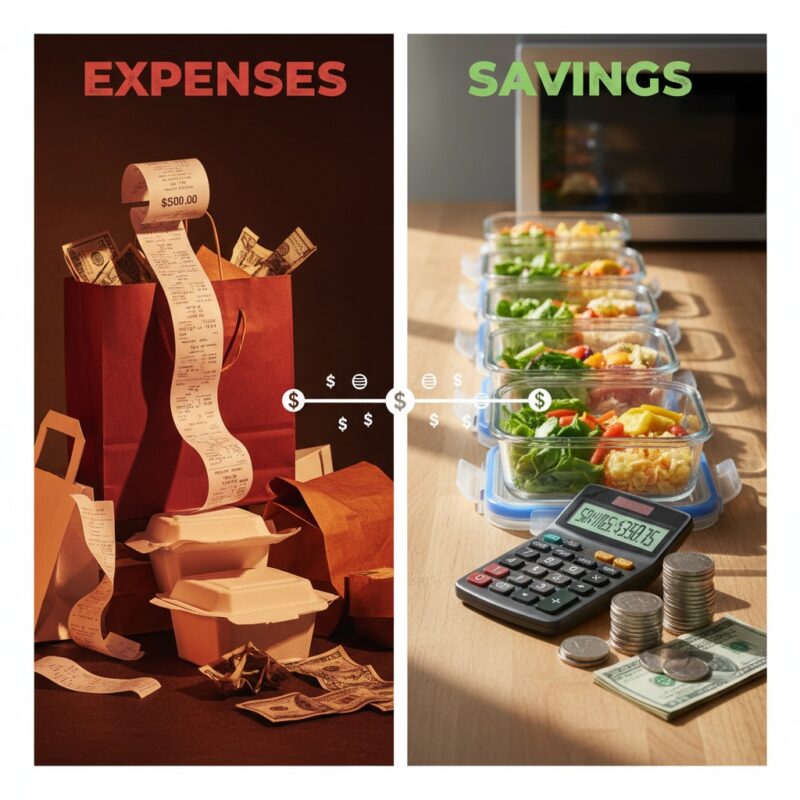
Real Cost Breakdown (Monthly)
| Meal Type | Cost Per Meal | Monthly Cost (30 days) | Your Savings |
|---|---|---|---|
| Takeout/Restaurant | $8-15 | $240-450 | – |
| Cafeteria/Food Court | $6-10 | $180-300 | – |
| Microwave Cooking | $2-4 | $60-120 | $120-330/month |
See that savings column? That’s real money. Money for emergencies, calling home, traveling, or just breathing easier knowing your account isn’t always empty.
If you’re on a student budget or sending money back home, those savings matter. A lot.
Nutrition Quick Facts (Because You Need to Know)
You’re probably not eating great right now. No judgment—it’s hard to prioritize nutrition when you’re stressed, busy, and far from home. But here’s what your body actually needs:
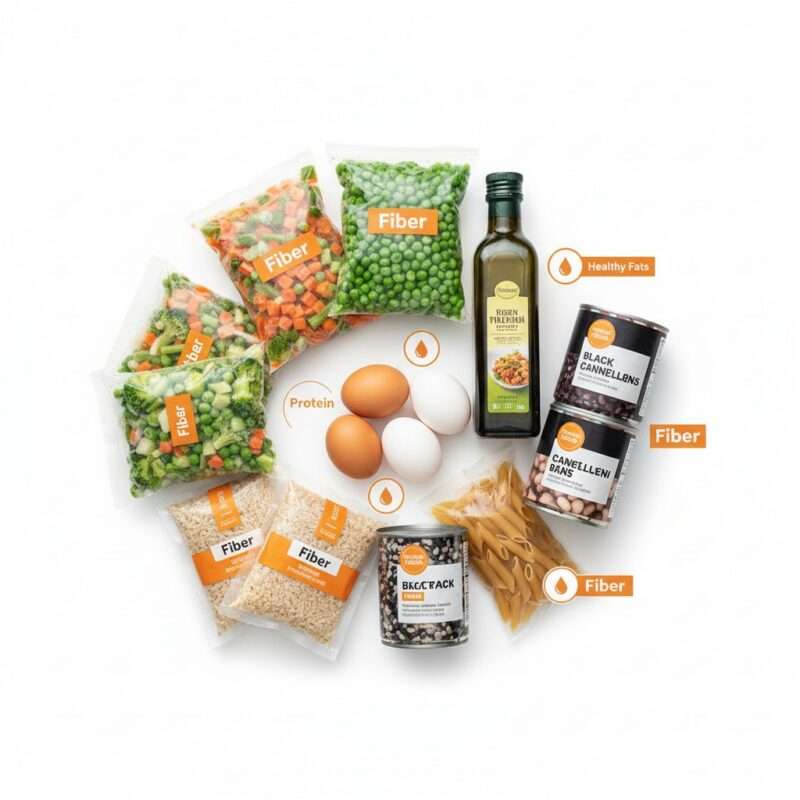
Daily Basics You Can Actually Get from Microwave Meals:
- Protein: Eggs (6g per egg), beans, canned tuna, cheese
- Carbs: Rice, pasta, potatoes, oats—these give you energy for long days
- Vegetables: Frozen veggies are your friend. Cheaper than fresh, last longer, still nutritious
- Healthy fats: Peanut butter, olive oil, cheese (yes, cheese counts)
The Real Talk: You don’t need perfect nutrition. You need good enough nutrition to function, study, work, and not get sick. Microwave meals can absolutely provide that if you make decent choices.
One veggie-heavy rice bowl beats three days of instant noodles. One real egg breakfast beats skipping breakfast entirely.
Progress, not perfection.
Quick FAQ (The Questions You’re Actually Googling)
Q: Is microwave food unhealthy? No. Seriously, this myth needs to die. Microwaves heat food, that’s it. They don’t make food toxic or kill nutrients any more than other cooking methods. A microwaved potato is just as healthy as a baked one.
Q: Can I really cook “real” food in a microwave? Yes. You’re limited compared to a full kitchen, but you can make rice, pasta, eggs, potatoes, steamed vegetables, and more. It’s enough to feed yourself properly.
Q: What if I’ve never cooked before? Perfect. Microwave cooking is actually more forgiving than stovetop cooking. Hard to burn things. Hard to mess up badly. Just start simple and add complexity as you go.
Q: How do I deal with the smell in shared kitchens? Cook in your room if your dorm allows it (most do for microwaves). If you’re in a shared kitchen, cook during off-peak hours. And honestly? Everyone else is cooking too. It’s fine.
Q: What’s the cheapest possible meal I can make? Rice with egg and soy sauce. Costs maybe 50 cents, fills you up, has protein and carbs. It’s not exciting but it works.
Q: I’m so tired of eating alone. How do I handle it? Video call someone while you eat. Put on a show you love. Cook extra and invite another international student over—you’re all in this together. Small things help.
Recipe Card: The Ultimate Microwave Rice Bowl
Prep Time: 5 minutes
Cook Time: 15 minutes
Servings: 2
Cost Per Serving: $1.50-2.00
Ingredients:
- 1 cup white rice
- 2 cups water
- 2 eggs
- 1 cup frozen mixed vegetables
- 2 tablespoons soy sauce
- 1 tablespoon butter or oil
- Salt and pepper
Instructions:
- Rinse rice and combine with water in microwave-safe bowl
- Cover loosely, microwave on high 5 minutes, then 50% power for 10 minutes
- Let sit 5 minutes while you prepare eggs
- Scramble eggs in a mug (45 seconds, stir, 30 more seconds)
- Microwave frozen veggies 3-4 minutes until hot
- Mix everything together with soy sauce and butter
- Add salt, pepper, hot sauce as needed
Nutrition Per Serving:
- Calories: 420
- Protein: 15g
- Carbohydrates: 65g
- Fat: 10g
- Fiber: 4g
- Cost: $1.75
Rich Notes:
Substitutions That Work:
- No eggs? Use canned tuna or beans for protein
- No frozen veggies? Whatever vegetables you have work fine
- No soy sauce? Salt, garlic powder, and a tiny bit of oil
- Hate rice? This method works with quinoa too (same timing)
Making It Yours: This is a base recipe. Make it your own. Add spices that remind you of home. Use the vegetables you grew up eating if you can find them in Asian/international stores. One friend adds curry powder and calls it done. Another adds hot sauce and cheese.
Meal Prep Trick: Make rice for the whole week. Store in fridge. Reheat portions with different toppings each day. Suddenly you’ve got variety without cooking from scratch daily.
When You’re Really Down: Some days even this feels like too much. That’s okay. On those days, just make the rice. Eat it with butter and salt. That’s enough. You tried, you ate something warm, you got through another day. Tomorrow can be better.
Cultural Adaptation: If rice reminds you of home, make this weekly. If bread is more your thing, save this recipe for days you want something different. Honor what comforts you.
Conclusion: You’re Doing Better Than You Think
Look, being far from home is hard. Nobody prepared you for how hard it actually is. The little things pile up—weird food, different smells, misunderstanding jokes, eating meals alone, missing festivals and family dinners.

Cooking won’t fix everything. I can’t promise that.
But it helps. Making your own food, even simple microwave meals, gives you back a piece of control. It saves money you need for other things. It means you’re eating real food instead of surviving on snacks and whatever’s cheap.
And honestly? Every time you make yourself a meal instead of skipping it or grabbing fast food, you’re taking care of yourself. That matters more than perfect cooking technique or fancy recipes.
You came here for a reason—to study, to work, to build a better future. That takes energy. You can’t do it on an empty stomach or while stressed about money. So start small. Make one microwave meal this week. Then another. Build the habit.
Your microwave isn’t just an appliance. Right now, it’s a tool for survival, a source of comfort, and a way to save money you desperately need. Use it.
And on the really hard days when even cooking feels impossible? That’s okay too. Order the takeout. Call someone who loves you. Get through the day however you can.
Tomorrow you can try again. Your microwave will still be there. So will this article. So will the possibility of a warm meal that feels a little bit like home.
You’ve got this. One meal at a time.
Final Note: Bookmark this article. Share it with other students or workers who might need it. We’re all just trying to make it work, far from home, doing our best. And sometimes our best is scrambled eggs in a mug at midnight. That’s perfectly fine.