🔥 CookingRescue.com
⚡ Microwave vs 🔥 Stove Cooking Comparison Study
Discover time, color, texture & energy differences for 10 common foods
Welcome to Microwave Cooking!
Are you using a microwave for the first time? Let’s start with the basics.

Adjust the number above to see how guides adapt to your needs
Microwave vs Stove Cooking Comparison Study – Real Talk for Students & Workers Abroad
You’re Not Alone in That Tiny Kitchen
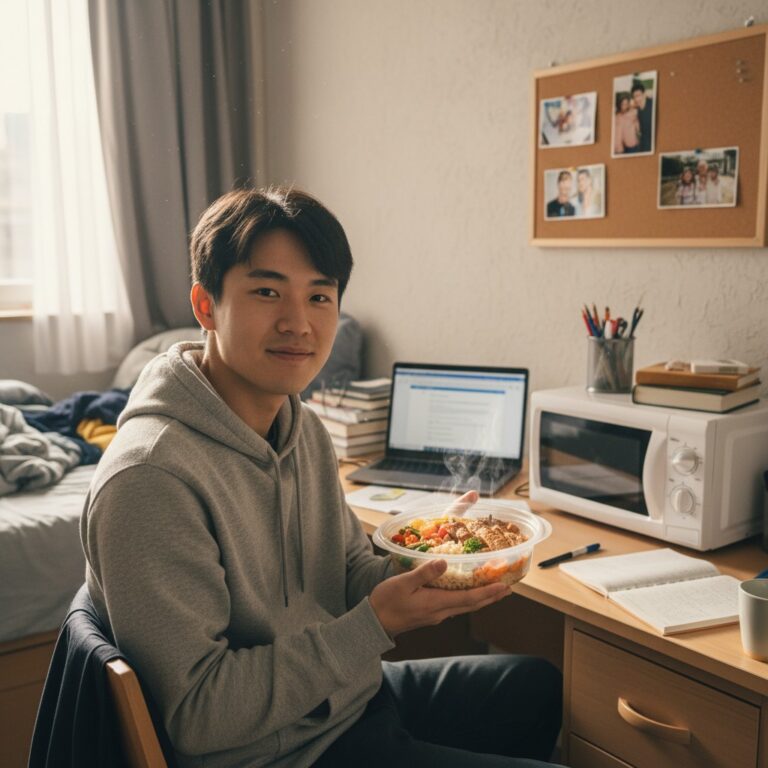
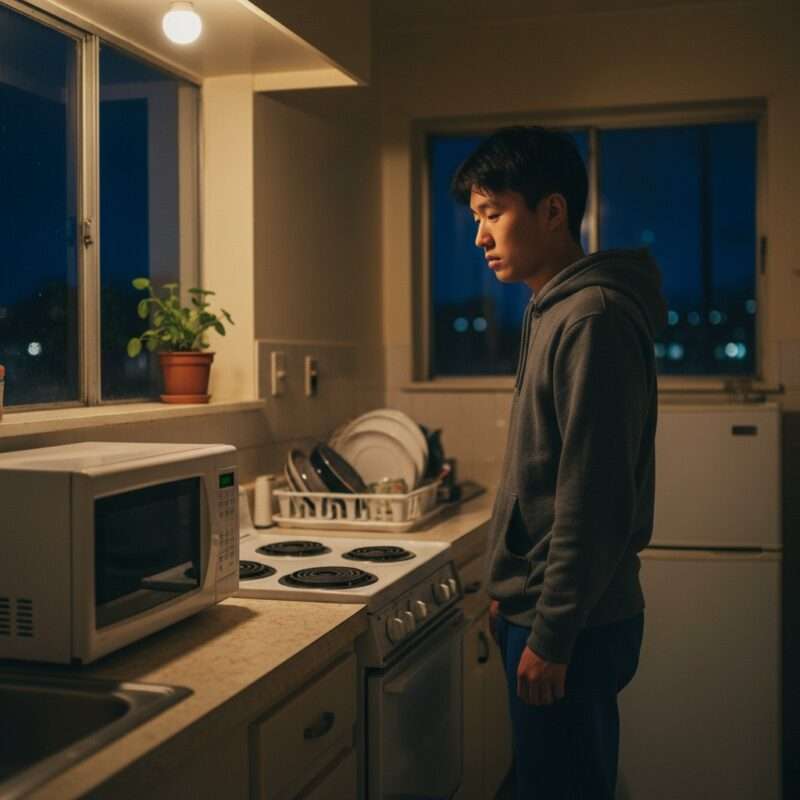
Hey friend. So you’re standing in your small apartment kitchen, probably around 9 PM after a long day. You’re tired. Maybe a bit homesick. And you’re staring at a microwave and a two-burner stove wondering which one to use. I get it. This article isn’t going to be some fancy chef’s guide—it’s real talk from someone who understands what it’s like to cook for yourself when you’re far from home.
I remember my first month abroad. Called my mom crying because I couldn’t even make rice properly. She laughed (lovingly, of course) and said, “Just use the microwave, dummy.” Changed everything.
Here’s the thing—cooking when you’re alone in a foreign country isn’t just about food. It’s about taking care of yourself when nobody else is around to do it. And honestly? Both the microwave and stove have their place in your life right now.
The Real Differences (No BS)
Time: Because You’re Probably Exhausted
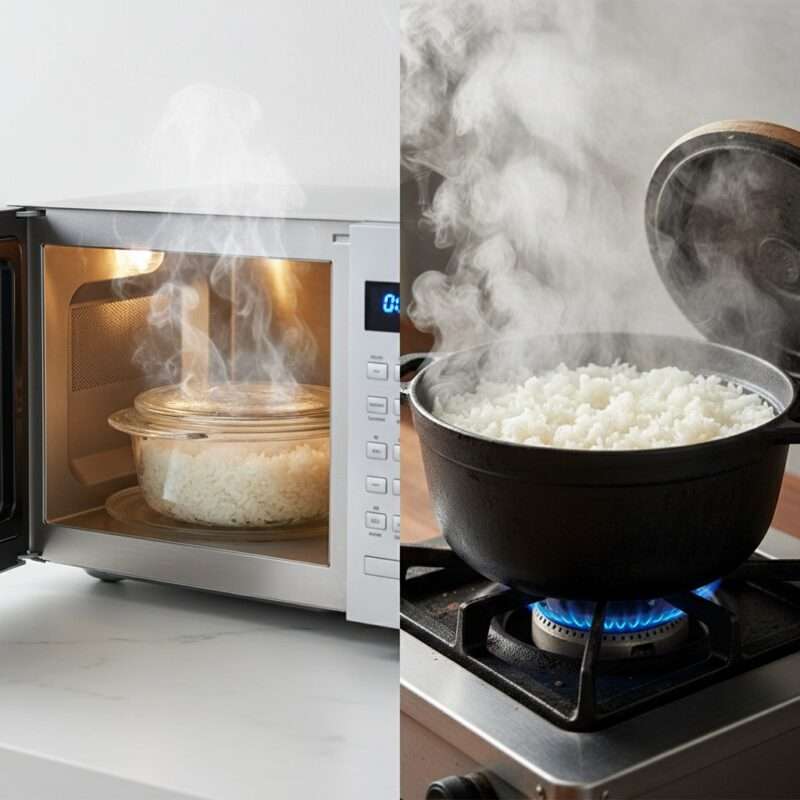
Microwave wins here. Period.
After studying or working all day, especially when you’re dealing with language barriers and cultural adjustment, you don’t always have energy for elaborate cooking. The microwave gets your food hot in minutes. Rice takes 25 minutes instead of 45. Vegetables steam in 4 minutes, not 12.
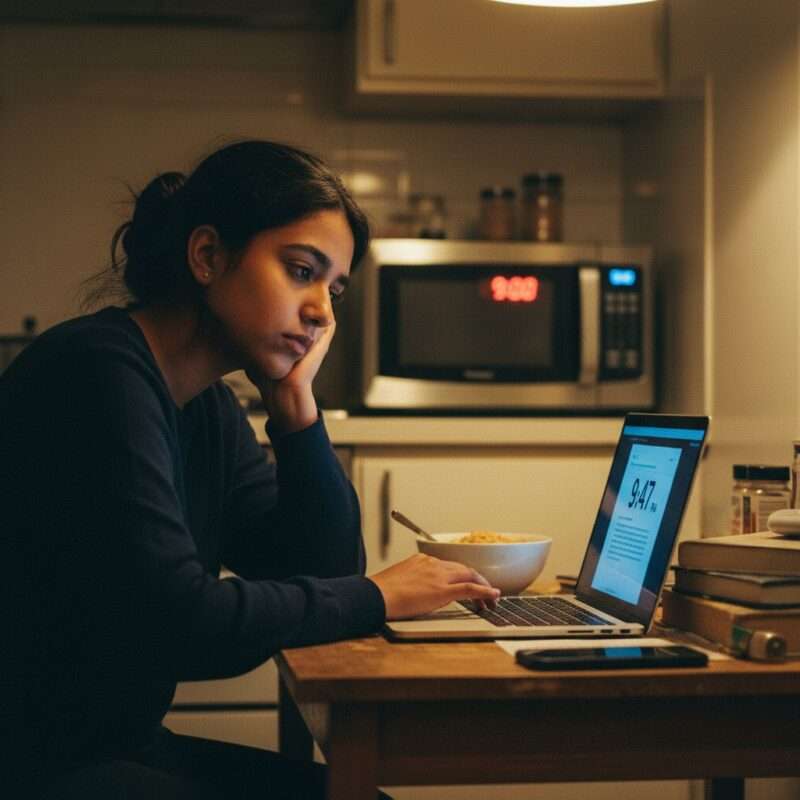
Stove cooking takes longer, sure. But here’s something nobody tells you—sometimes that extra time is actually… nice? Like, therapeutic. Stirring a pot can be meditative when you’re feeling lonely. I’m not saying it’ll cure homesickness, but there’s something grounding about standing over a stove.
You choose based on your emotional state, not just your schedule.
Texture and Taste: When You Miss Home
Stove cooking wins for traditional taste.
If you’re making something that reminds you of home-your mom’s curry, your grandma’s soup, whatever-the stove gets closer to that memory. Food browns differently on a stove. Flavors develop better. There’s a reason your family probably didn’t use microwaves for special dishes.
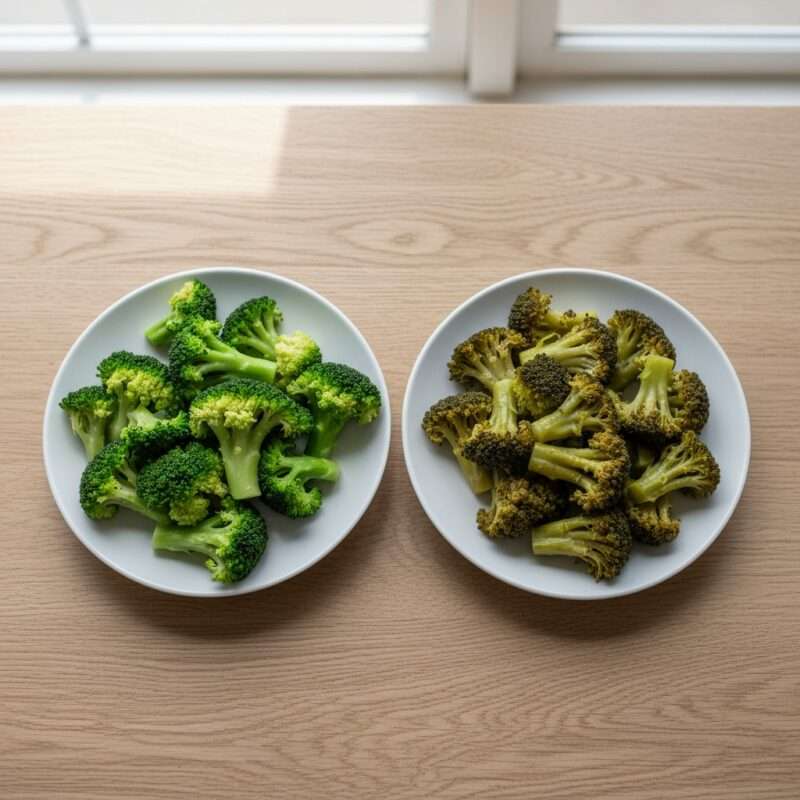
But microwave food isn’t bad. It’s just… different. And different is okay when you’re surviving, not thriving. Some days you need survival mode, and that’s completely valid.
Honestly? I’ve had plenty of microwave meals that hit the spot. Not every meal needs to be Instagram-worthy or taste exactly like home.
The Money Thing (This Actually Matters)
Both methods save you money compared to eating out. But microwaves use about 50% less electricity than stoves. When you’re counting every dollar to send money home or pay tuition, this adds up.
Microwave: Uses less power, done faster, lower electric bill. Stove: Uses more power, especially if you’re simmering things for long periods.
Real talk though—the cheapest method is whichever one you’ll actually use instead of ordering takeout at midnight because you’re too tired to function.
What Works for Different Foods
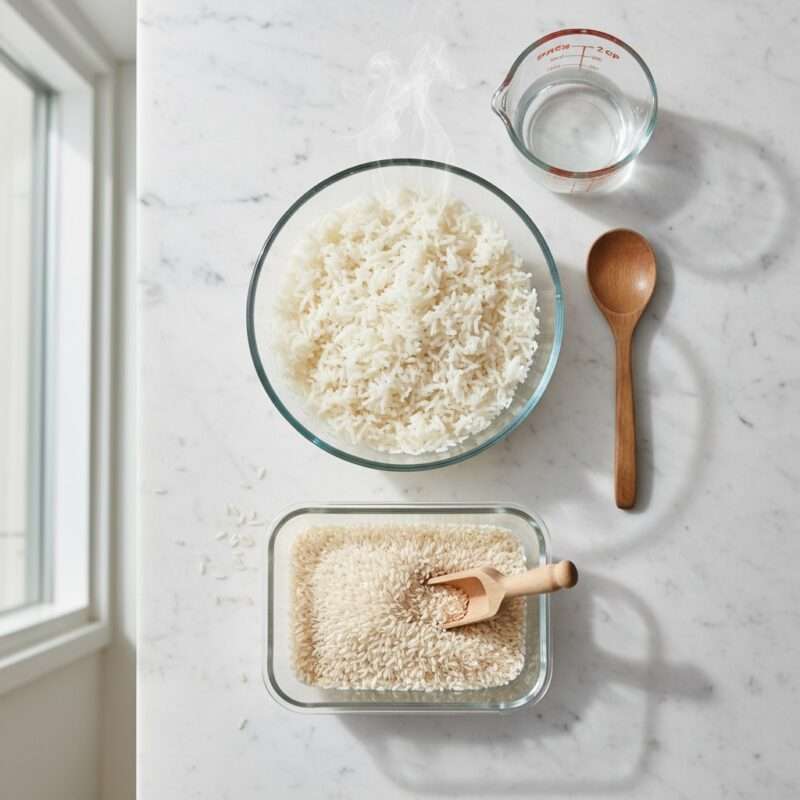
Rice: Microwave is genuinely good here. Yeah, I was shocked too. Put rice and water in a bowl (2:1 ratio), cover it, microwave on high for 10 minutes then medium for 15. Let it sit for 5 minutes. Done. Is it exactly like your rice cooker at home? No. Does it work when you’re broke and tired? Absolutely.
Vegetables: Microwave keeps them brighter and crunchier. More nutrients stay intact too because you’re not boiling them to death. Just add a little water, cover, zap for 3-4 minutes. Your mom might actually approve of this method.
Eggs: Both work. Microwave is faster (90 seconds for scrambled eggs!), but you need to watch it carefully. Stove gives you more control. Choose based on how awake you are, honestly.
Pasta: Stove is better here, not gonna lie. Microwave pasta is possible but takes longer than you’d think and doesn’t taste quite right. Just boil water on the stove—it’s worth it.
Leftovers: Microwave, obviously. This is what it’s made for.
The Emotional Side Nobody Talks About
Cooking alone sucks sometimes. There, I said it.
Back home, cooking was probably a family thing. Someone was always in the kitchen. There was noise, talking, maybe arguing about how much salt to use. Now it’s just you and the hum of appliances.

Some nights, the microwave is your best friend because it’s quick and you can get back to video calling home. Other nights, making something slowly on the stove helps because it fills the silence. You can listen to music, maybe a podcast in your language, and just exist in your little kitchen bubble.
Neither method is going to fix loneliness. But feeding yourself well—however you do it—is a form of self-respect. You deserve hot meals even when you’re sad.
Real Tips from Real Experience
Start with microwave basics: Get really good at 5-6 microwave meals. Rice, steamed vegetables, scrambled eggs, baked potatoes, oatmeal. That’s your foundation.
Use the stove for special occasions: Sunday evening when you have time? Make something that takes a while. The ritual helps.
Mix methods: Cook rice in the microwave, make the curry on the stove. There’s no rule saying you can’t use both.
Invest in these things:
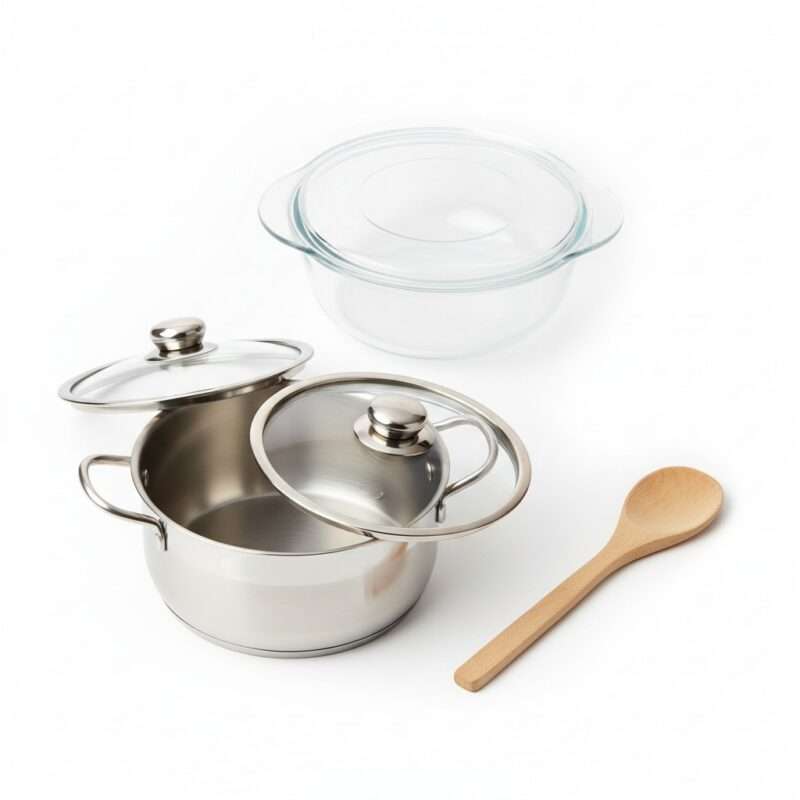
- One good microwave-safe bowl with a lid
- One decent pot for the stove
- A wooden spoon That’s it. Don’t overcomplicate.
Batch cooking is your friend: Make a big pot of something on the stove on your day off, then microwave portions all week. Best of both worlds.
When You’re Really Struggling
Some weeks are harder than others. Maybe you got bad news from home. Maybe your visa stress is through the roof. Maybe you just really miss your family’s cooking.
On those weeks, the microwave is enough. A baked potato with butter is a meal. Microwaved frozen vegetables with instant rice is a meal. You don’t need to be a chef. You just need to eat something warm.
And if you order takeout three times this week? That’s okay too. You’re doing your best.
The Verdict (Sort Of)
Look, there’s no perfect answer. Here’s my honest recommendation:
Use the microwave when:
- You’re exhausted
- You need food fast
- You’re cooking for one
- Your electric bill is tight
- You’re feeling too overwhelmed for complicated cooking
Use the stove when:
- You have time and emotional energy
- You’re making something special
- You want food that tastes more like home
- You need the meditative aspect of cooking
- You’re cooking pasta (seriously, just use the stove)
Most importantly—use whichever method means you’ll actually cook instead of skipping meals or spending money you don’t have on takeout.
You’re Doing Fine
I know this wasn’t the scientific comparison article you might have expected. But science doesn’t help much when you’re homesick at 10 PM staring at a box of rice.
Both methods work. Both have pros and cons. The microwave saves time and energy and money. The stove gives you traditional taste and cooking therapy. Sometimes you need one, sometimes you need the other.
You’re far from home, probably working or studying harder than you ever have. You’re in survival mode a lot of days. And you know what? Using a microwave doesn’t make you less of a cook or less of an adult. It makes you practical.
Take care of yourself. Eat warm food. Call home when you can. And remember—millions of us are doing this same thing, standing in small kitchens, trying to figure it out.
You’ve got this.
Quick FAQ
Q: Is microwave cooking actually safe? Yes. Microwaves heat food by making water molecules vibrate. They don’t make food radioactive or cause cancer. That’s a myth. Just use microwave-safe containers and you’re fine.
Q: Why does microwave rice sometimes turn out weird? Usually too much or too little water. Stick to 2:1 ratio (water to rice). Also, let it sit for 5 minutes after cooking—it keeps steaming and gets fluffier.
Q: Can I cook frozen food from frozen in the microwave? Yes, but use 50% power and it’ll take longer. Better to defrost first if you have time, but nobody’s judging if you don’t.
Q: Is it normal that I feel sad cooking alone? Completely normal. Food is emotional, especially when you’re from a culture where eating is communal. It gets easier, I promise.
Q: Which method is better for meal prep? Stove for cooking big batches, microwave for reheating. Use both together.
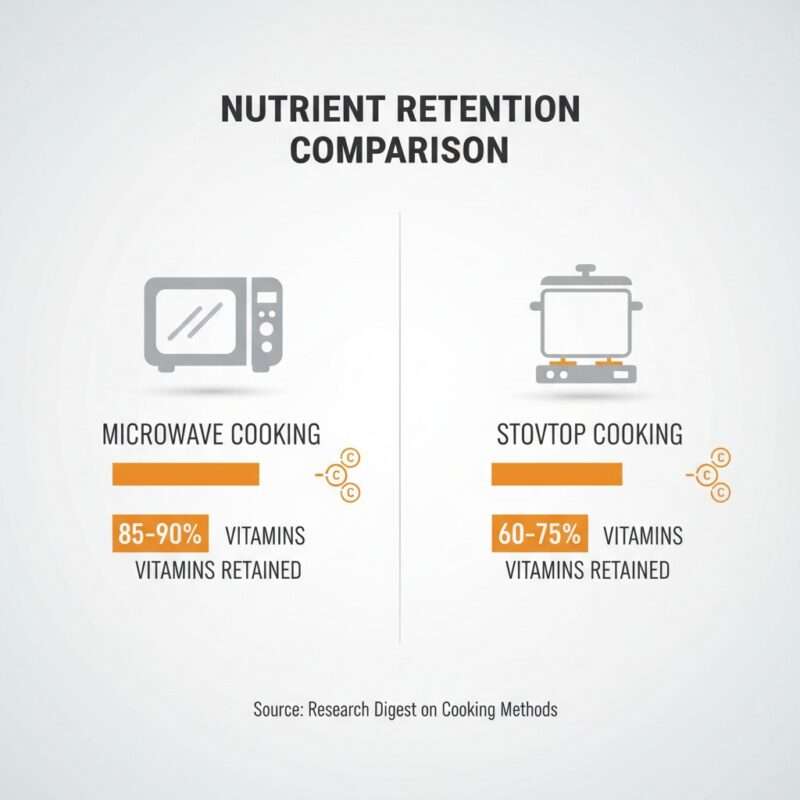
Q: Do microwaves destroy nutrients? Actually, no. They often preserve MORE nutrients than boiling because cooking time is shorter and you use less water.
Nutrition Quick Facts
Vitamin Retention:
- Microwave: Retains 85-90% of vitamins (especially vitamin C)
- Stove (boiling): Retains 60-75% of vitamins
- Stove (steaming): Retains 80-85% of vitamins
Why this matters for you: When you’re stressed and far from home, your immune system needs all the help it can get. The microwave actually helps keep more nutrients in your vegetables.
Protein cooking: Both methods cook protein effectively. Eggs, chicken, fish—all safe and nutritious either way. The key is reaching safe internal temperatures, not the cooking method.
Fiber and minerals: These stay the same regardless of cooking method. Your rice has the same fiber whether it’s microwaved or stove-cooked.
The real nutrition factor: Consistency. Eating regularly matters more than cooking method. A microwaved meal you actually eat beats a perfectly stove-cooked meal you’re too tired to make.
Cost Breakdown: Home Cooking vs. Takeout
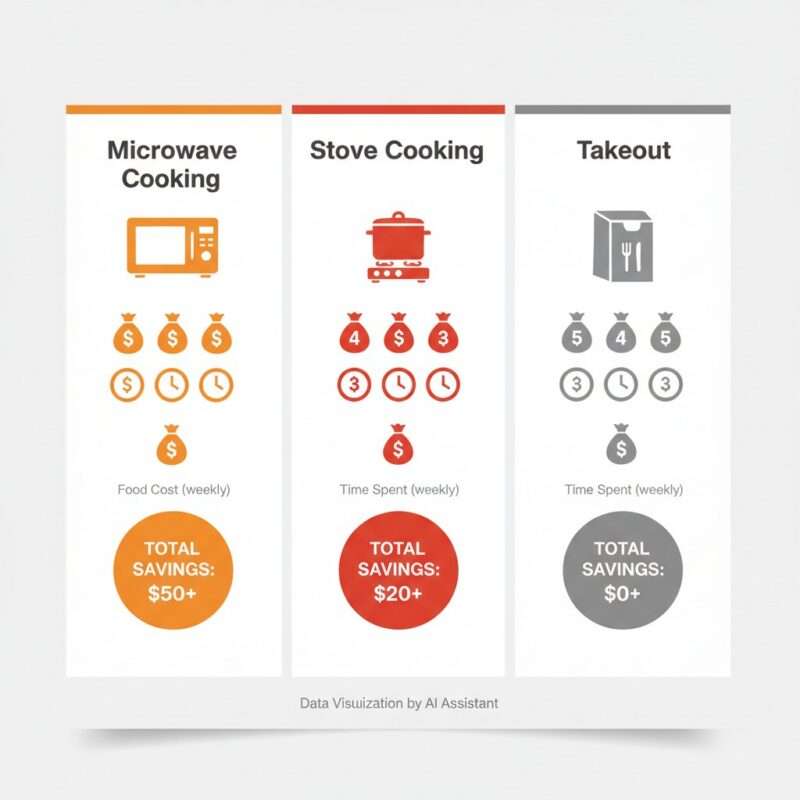
Monthly Comparison (Based on cooking 5 times/week)
| Category | Microwave Cooking | Stove Cooking | Takeout |
|---|---|---|---|
| Food Costs | $120-150 | $130-160 | $400-600 |
| Electricity | $8-12 | $15-20 | $0 |
| Time Value (your hourly rate) | Low (quick) | Medium | Zero cooking |
| Equipment | $30-50 (one-time) | $50-80 (one-time) | $0 |
| Monthly Total | $128-162 | $145-180 | $400-600 |
| Annual Savings | $2,856-5,664 | $2,640-5,460 | $0 (baseline) |
Real Example—Week of Meals:
Microwave Method:
- Rice (2kg bag, $4): Lasts 3-4 weeks = $1/week
- Frozen vegetables (3 bags, $6): = $2/week
- Eggs (dozen, $3): = $1/week
- Instant curry packs or seasonings: $3/week
- Weekly total: $7-10 for basic meals
Stove Method:
- Rice (2kg bag, $4): $1/week
- Fresh vegetables: $4/week
- Eggs: $1/week
- Oil, seasonings: $2/week
- Weekly total: $8-12
Takeout:
- One meal: $12-18
- 5 meals/week: $60-90/week
The Real Math: If you’re sending money home or paying tuition, cooking at home (either method) saves you $200-400 every single month. That’s meaningful money. That’s a plane ticket home after a year. That’s peace of mind.
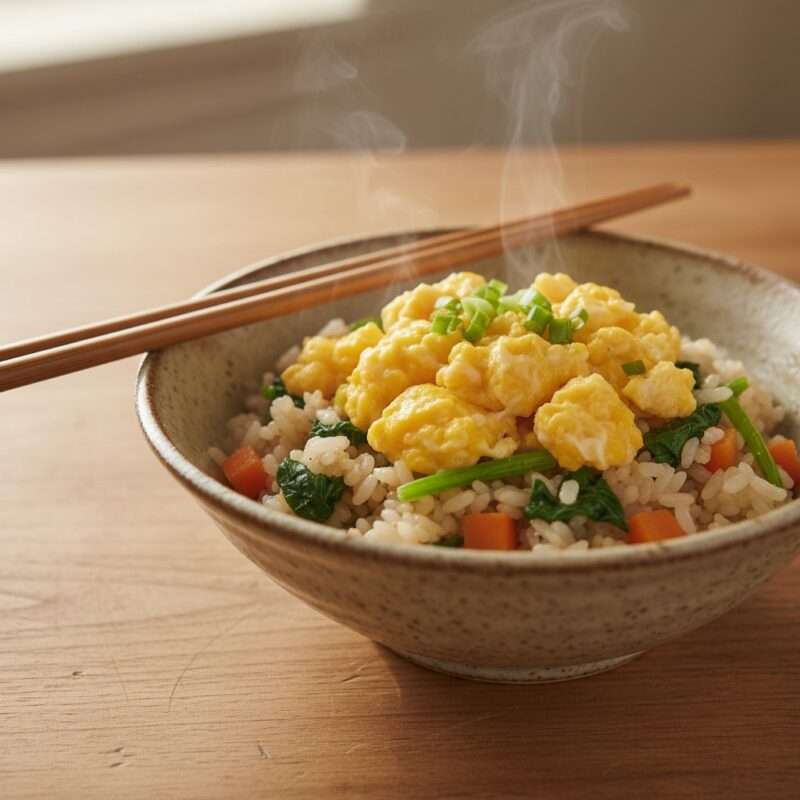
Recipe Card: Emergency Comfort Rice Bowl
Prep Time: 2 minutes
Cook Time: 8 minutes
Total Time: 10 minutes
Servings: 1 (yourself, when you need something warm)
Ingredients:
- 1 cup cooked rice (microwave or leftover)
- 1 egg
- 1 cup frozen mixed vegetables
- 1 tbsp soy sauce (or any sauce you have)
- 1 tsp butter or oil
- Salt, pepper, whatever spices you miss from home
Instructions:
Microwave Method (8 minutes):
- Put frozen vegetables in a microwave-safe bowl with 2 tbsp water
- Cover and microwave 3 minutes
- Drain water, add rice on top
- Make a small well in the center, crack egg in
- Cover again, microwave 2-3 minutes until egg is cooked
- Mix everything together, add sauce and butter
- Season to taste
Stove Method (10 minutes):
- Heat pan with butter/oil
- Add frozen vegetables, cook 4 minutes
- Push vegetables to the side, crack egg in, scramble
- Add rice, break it up, mix everything
- Add sauce, season
- Cook 2-3 minutes until heated through
Nutrition Information (per serving):
- Calories: 380-420
- Protein: 14g
- Carbs: 58g
- Fat: 10g
- Fiber: 6g
- Sodium: 600mg (varies with sauce)
- Vitamin A: 45% daily value
- Vitamin C: 35% daily value
- Iron: 15% daily value
Summary: This emergency comfort bowl combines protein, vegetables, and carbs in one simple dish. Takes under 10 minutes either method. Costs less than $2 per serving. Adaptable to whatever you have in your kitchen. When you’re homesick and hungry, this hits the spot without breaking the bank or your spirit. The egg provides protein for energy, vegetables add vitamins your stressed body needs, and rice gives you that comfort-food feeling. It’s not fancy, but it’s yours.
Notes:
Substitutions that work:
- No soy sauce? Use hot sauce, ketchup, or literally any sauce you have
- No frozen vegetables? One fresh tomato, chopped. Or skip them if you must.
- No butter? A tiny splash of any cooking oil. Or skip it-rice has enough moisture.
- Don’t like eggs? Add canned tuna, leftover chicken, or just make it vegetarian
Make it feel like home:
- Add your culture’s spices—curry powder, gochugaru, tajín, whatever you miss
- Top with whatever crunchy thing you have—nuts, crackers, fried onions
- Drizzle with sesame oil if you have it (transforms everything)
Batch-cooking version:
- Make 4 cups of rice on Sunday (either method)
- Store in fridge in portions
- Each night, just add vegetables and protein
- Different sauce each time = feels like different meals
Mental health note: This recipe exists for hard days. The days when you can barely function. When cooking feels impossible. This is your fallback. Keep these ingredients stocked. Future you will thank present you.
Storage: Leftovers keep 2-3 days in the fridge. Reheats well in microwave (1-2 minutes). Don’t feel bad if you make extra and eat the same thing tomorrow-that’s called being smart, not lazy.
Cost breakdown:
- Rice (from bulk bag): $0.25
- Frozen vegetables: $0.65
- Egg: $0.25
- Seasonings/sauce: $0.20
- Total: $1.35 per meal
Compare that to $12-18 for takeout. This is how you save money. This is how you survive abroad. One bowl at a time.
Real talk: Some nights, this bowl is dinner and breakfast the next morning. Some nights, you eat it straight from the cooking dish because who’s going to judge you? Some nights, you cry while eating it because you miss your family’s cooking. All of that is okay. You’re feeding yourself. That’s what matters.
The first time I made this, it tasted nothing like home. The fifteenth time, it tasted like survival. The fiftieth time, it tasted like taking care of myself. Now it tastes like strength.
You’ve got this, friend. One meal at a time.