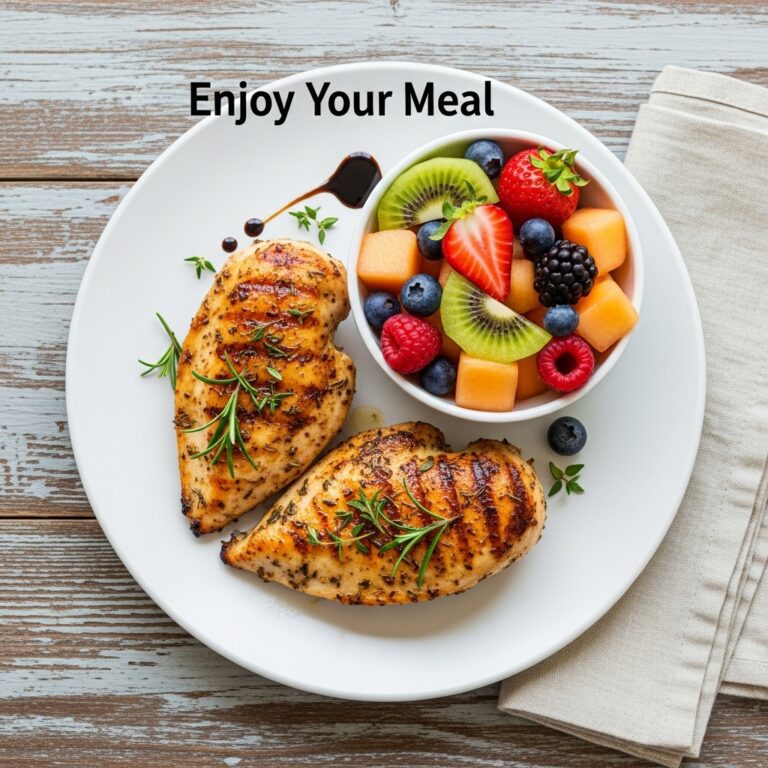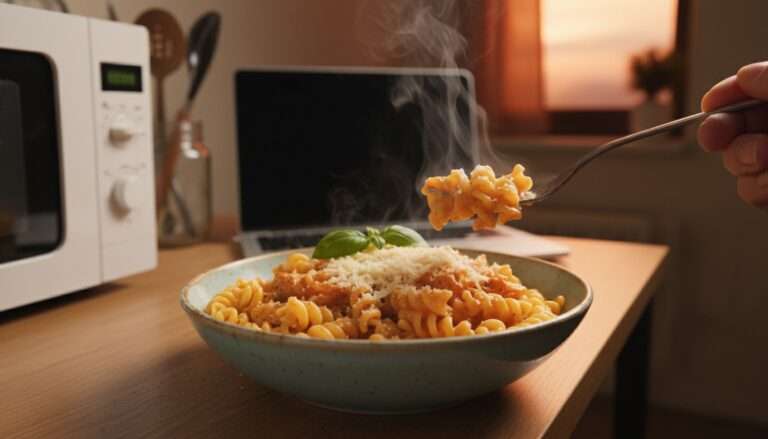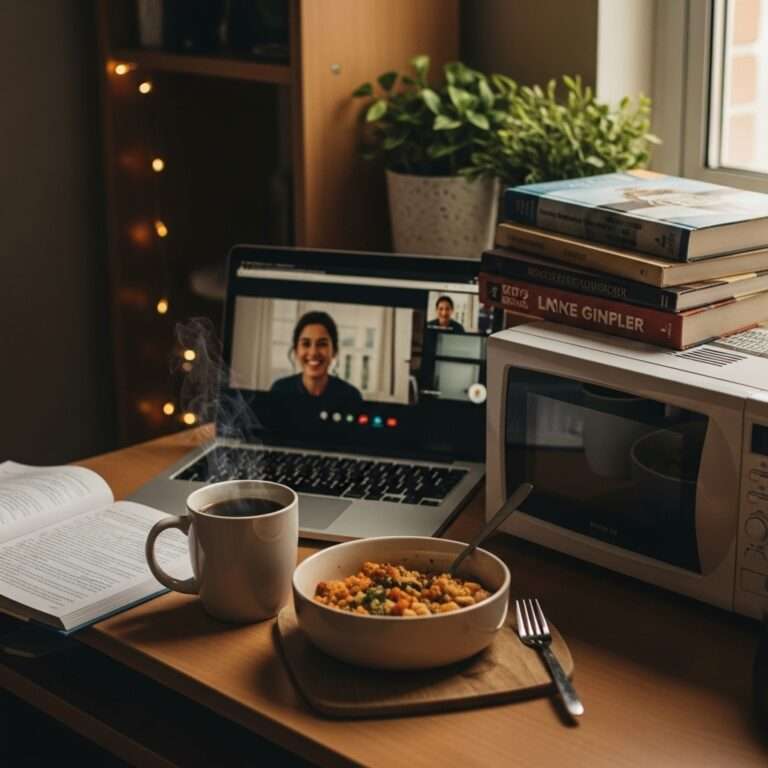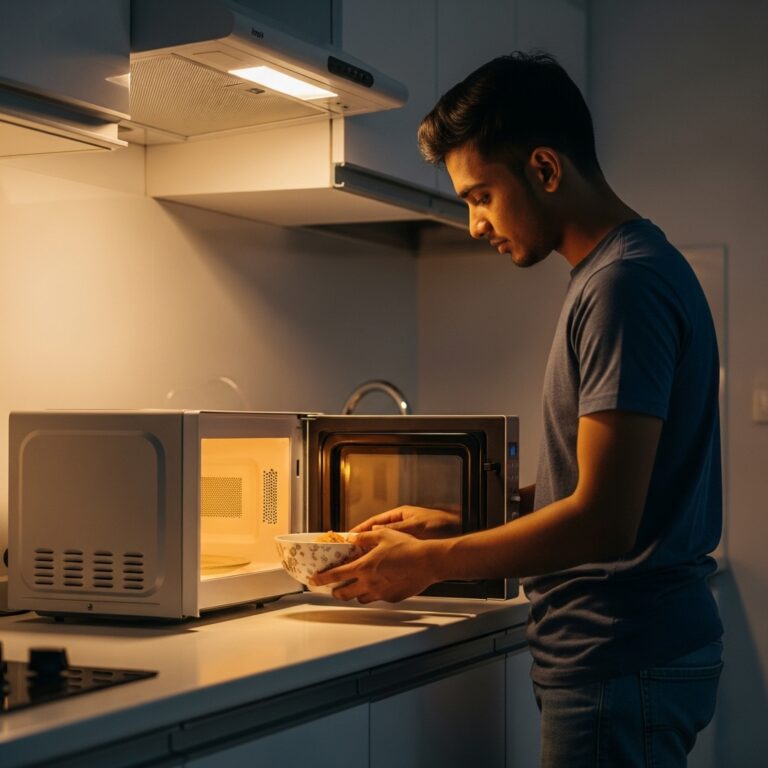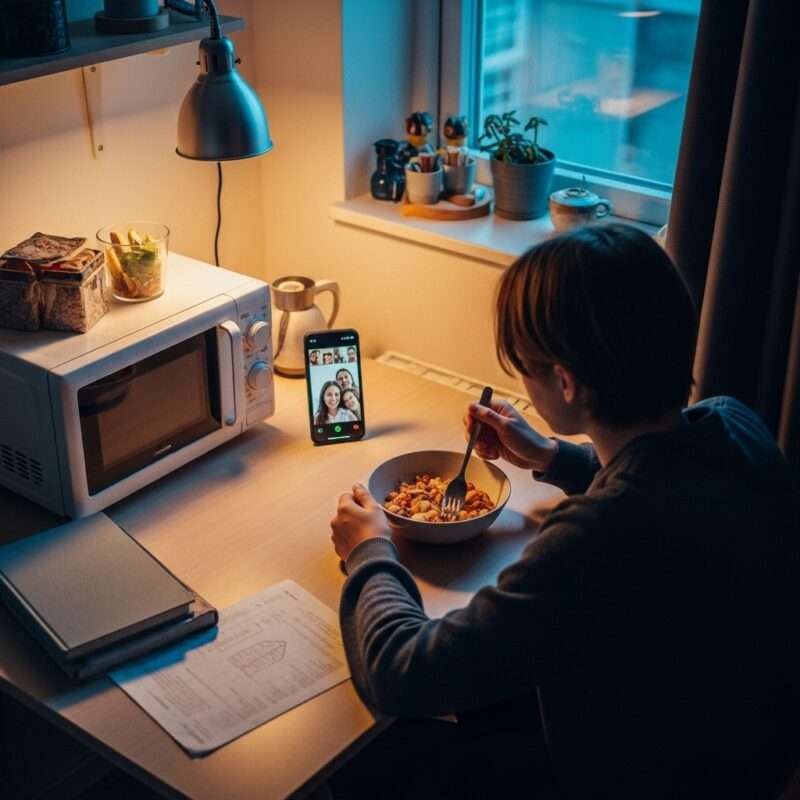
Simple Microwave Low Carb Dishes for When Home Feels Far Away
This article isn’t going to solve homesickness. I wish it could, but it can’t. What it can do is help you eat better when you’re exhausted, broke, and missing home so much it physically hurts. Because feeding yourself well even with just a microwave—is one small way to take care of yourself when everything else feels overwhelming.
Why Low Carb Works When You’re On Your Own
Here’s what nobody tells you about living abroad: cooking for one person in a tiny kitchen with equipment that barely works is actually really hard. And when you’re lonely, ordering takeout feels easier than sitting alone with a home-cooked meal.
But here’s the flip side. Low carb dishes in the microwave are genuinely simple. You’re not measuring cups of rice or boiling water for pasta. You’re just combining protein, some veggies, maybe cheese. That’s it.
And unlike strict diets that make you feel worse when you’re already struggling, low carb is flexible. Had some rice because your coworker shared their lunch? Fine. Ate bread because you were starving after a double shift? Also fine. This isn’t about perfection.
What “Low Carb” Actually Means Here
Forget counting every single carb. That’s exhausting and you’ve got enough to worry about.
Think of it this way: instead of meals built around bread, rice, pasta, or potatoes, you’re building them around protein and vegetables. Sometimes you’ll add cheese or butter. Sometimes you won’t.
It’s not about being perfect. It’s about making choices that keep you full longer and don’t spike your energy then crash it which is crucial when you’re dealing with time zone differences, weird work schedules, or studying late.
The Starter Kit
You don’t need much. Hit the grocery store when you can and grab:
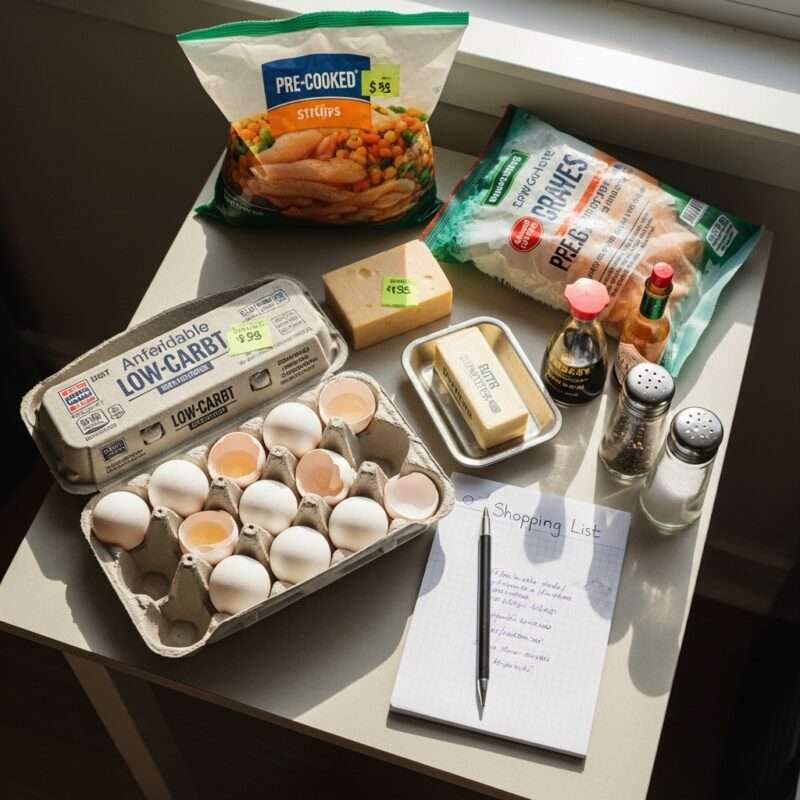
Proteins: Eggs (always), pre-cooked chicken strips or rotisserie chicken, ground beef or turkey if it’s on sale, canned salmon or sardines (I know, but give them a chance), sandwich meat.
Veggies: Frozen mixed vegetables, bell peppers, zucchini, mushrooms, cherry tomatoes, bagged salad when it’s marked down.
Essentials: Real butter, sour cream, any cheese that’s affordable, mayo, mustard, soy sauce if you miss Asian flavors.
Seasonings: Whatever reminds you of home, honestly. Plus salt, pepper, and garlic powder as your base.
Don’t overthink it. You’re not trying to recreate your mom’s kitchen. You’re trying to eat something real instead of instant noodles for the fifth night in a row.
Dishes You Can Actually Make
Egg and Veggie Plate
Beat three eggs in a bowl. Add frozen mixed veggies (still frozen is fine), some cheese, salt and pepper.
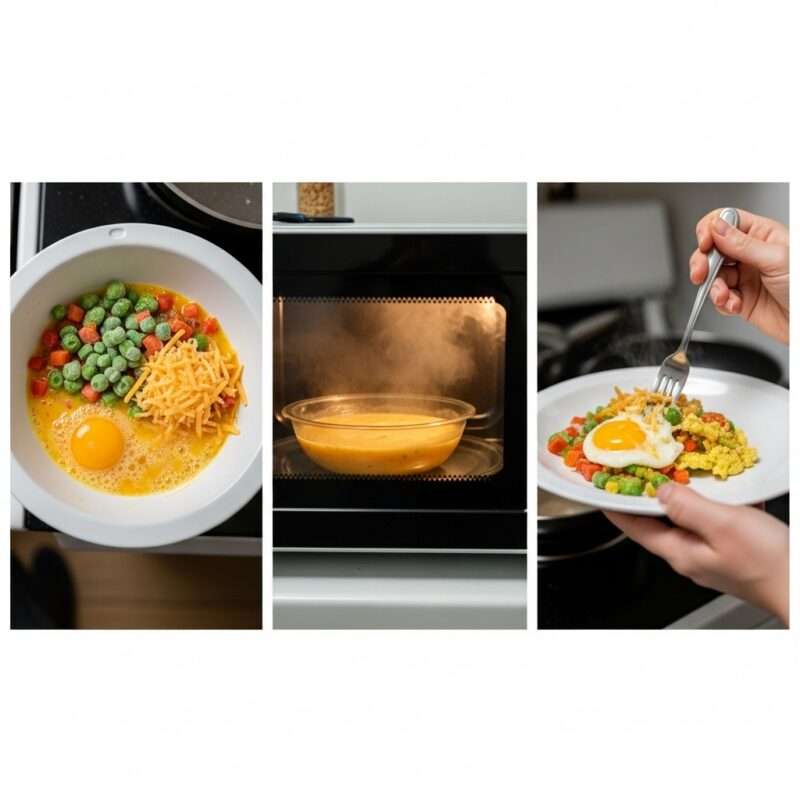
Microwave for 90 seconds, stir, then another minute. It’s basically a frittata but without any fancy technique. Sometimes I eat this watching old shows from back home, and honestly, that combination helps.
Lazy Stuffed Pepper
Cut a bell pepper in half, remove seeds. Fill with cooked ground meat (you can cook it in the microwave too,
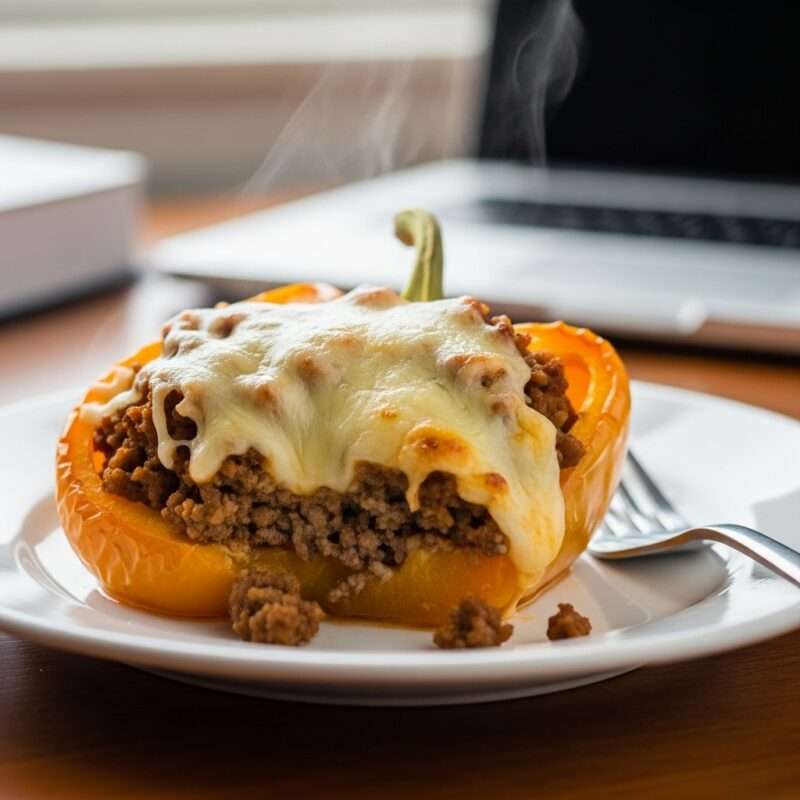
just break it up, microwave in 1-minute intervals, drain fat). Add some cheese on top, microwave until melted. Tastes way better than it sounds, and peppers are usually cheap.
Zucchini Noodle Bowl
If your store sells those pre-spiralized zucchini noodles (or you can just slice a zucchini thin with a regular knife),
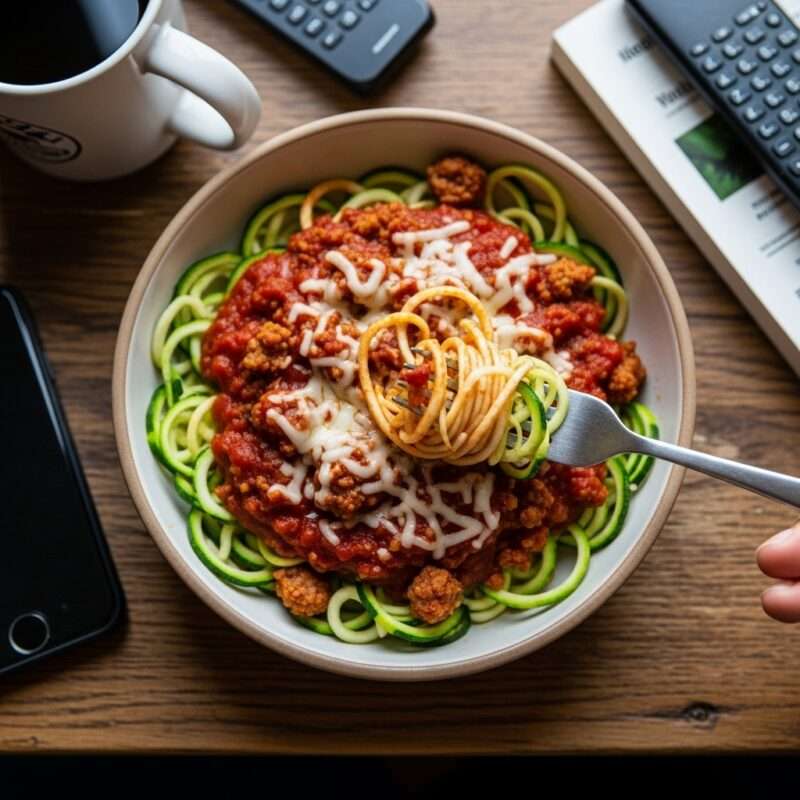
microwave them for 2 minutes. Drain the water. Top with jar marinara sauce, cooked sausage or ground meat, cheese. Microwave another minute. It’s not pasta, but it’s filling and costs maybe $3.
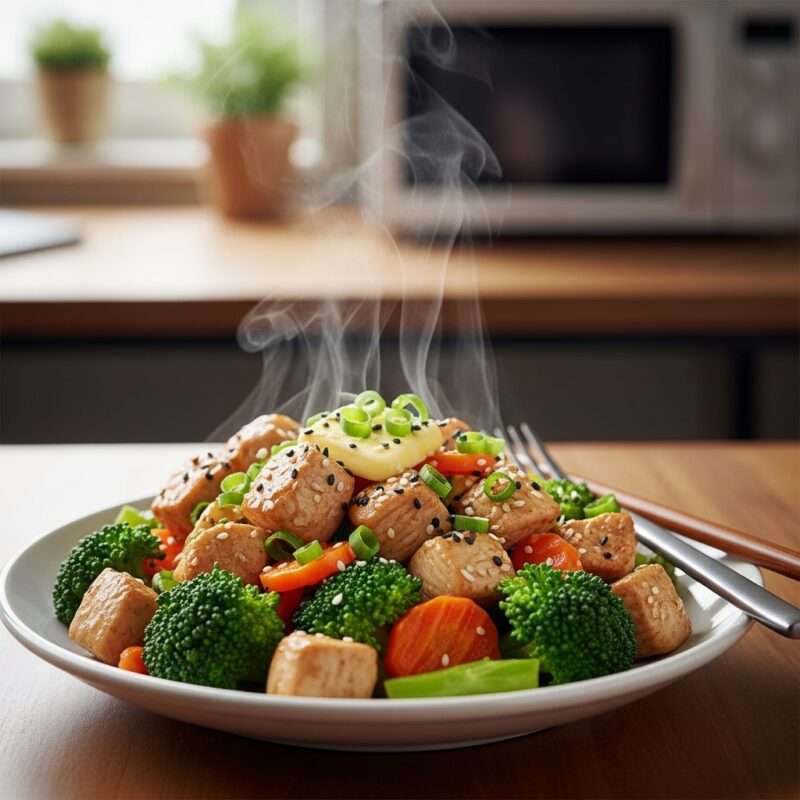
Chicken and Broccoli Like Mom Would Make (Sort Of)
This one’s for when you need something that feels like a real meal. Take frozen broccoli, microwave it
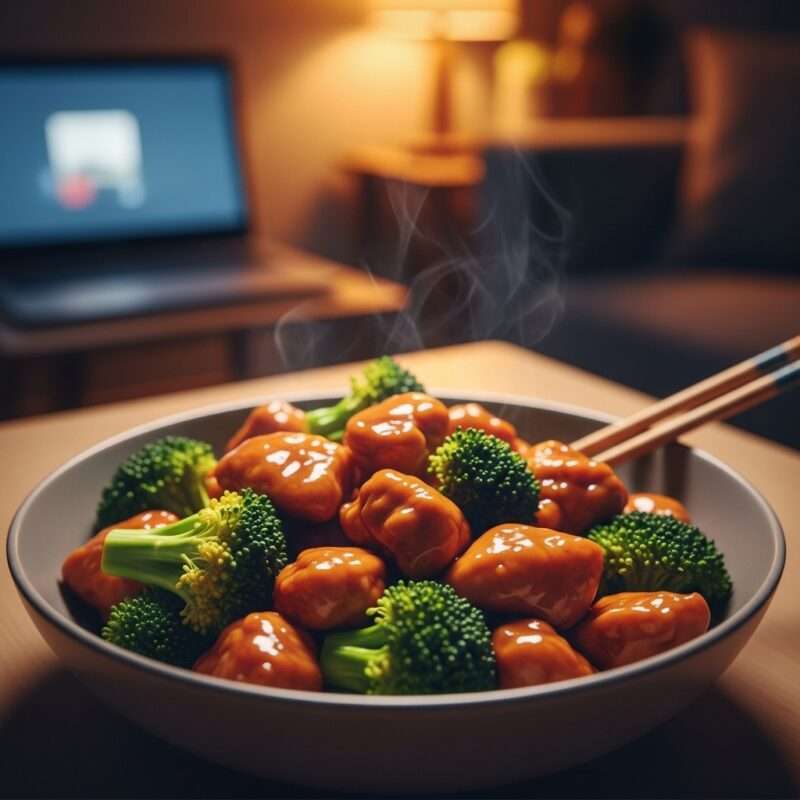
. Add chopped up reissue chicken. Make a quick sauce: butter, soy sauce, a tiny bit of whatever sweetener you have (or skip it). Mix everything. It won’t taste exactly like home, but it’s warm and filling and you made it yourself.
Mug Meatloaf
Sounds weird, works though. Mix ground meat, an egg, some breadcrumbs or just skip them, seasonings. Press into a microwave-safe mug. Microwave 3-4 minutes, checking halfway. Let it cool a bit, then eat it. Or flip it onto a plate if you want to feel fancy. Top with ketchup or whatever sauce you’ve got.
When Cooking Feels Impossible
Some days you won’t cook. That’s okay.
I’ve had weeks where I ate nothing but boiled eggs and whatever fruit was on sale because the thought of actually making food felt like climbing a mountain. The goal isn’t to be some meal-prep master. The goal is survival with dignity.
But having these super simple options means that even on your worst days, you can manage five minutes. And sometimes those five minutes—of just doing one small thing for yourself—make the next day slightly more bearable.
Making It Taste Like Something You’d Want
This is where your spice collection matters. And I don’t mean fancy herbs you’ll never use.
If you’re from South Asia, keep curry powder, cumin, chili powder. If you’re from Latin America, maybe cumin, oregano, lime juice. If you’re from East Asia, soy sauce, sesame oil, garlic is your base.
Use what reminds you of home. Even if it’s not traditional, even if your grandmother would be horrified. Making eggs with the spices from back home can hit differently when you’re having a rough week.
And hot sauce. Whatever brand feels familiar. Hot sauce makes almost everything better, and sometimes that little bit of heat wakes up your taste buds and makes you remember food can actually be good.
The Loneliness Part
I’m not going to pretend cooking alone in a microwave fixes feeling isolated. It doesn’t.
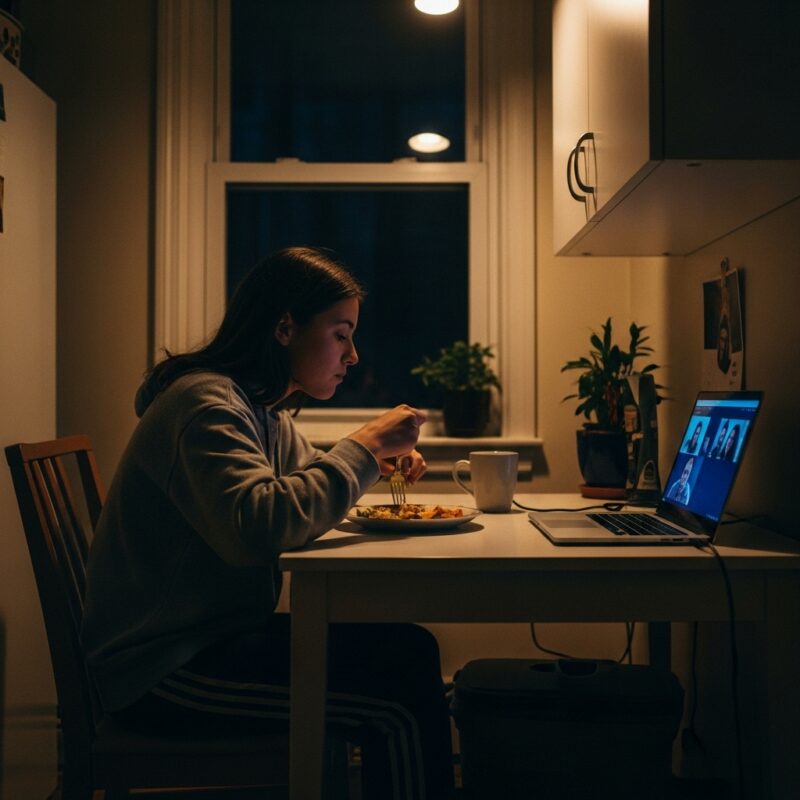
But there’s something about routine that helps. About knowing that at least once a day, you’re going to eat something you made. Something that required even minimal effort and care.
It’s not the same as sharing meals with family or friends from home. But it’s yours. And on the days when everything feels foreign and difficult, having this one small piece of control matters more than people realize.
Being Realistic About Time and Energy
Most of these take 5-10 minutes tops. Some days that’s all you’ve got. Other days you might actually want to cook something more involved—do it. But don’t feel bad when you can’t.
You’re working or studying in a place where everything takes more energy. The language might be different. The customs are different. Even buying groceries requires more mental effort than it used to. So yeah, microwave meals that take five minutes aren’t lazy. They’re practical.
And honestly? They’re often more nutritious than eating nothing or surviving on snacks because you’re too overwhelmed to deal with real cooking.
The Budget Reality
Low carb can actually save money. Sounds backwards, but think about it: eggs are cheap everywhere. Frozen vegetables cost less than fresh and don’t go bad. Buying one rotisserie chicken gives you meat for several days.
The expensive part is usually convenience foods—pre-made low carb products, fancy snacks, specialty items. Skip all that. Stick to basic ingredients. Shop sales. Buy whatever protein is discounted and use it immediately or freeze it.
And when you calculate what you save versus eating out constantly? It adds up fast. That money could be a phone call home. Or eventually, a plane ticket.
Quick FAQ
Q: Is low carb actually healthier or just a trend?
It’s healthier than living on instant noodles and takeout, which is what a lot of us default to when we’re stressed. Does it cure everything? No. But eating more protein and vegetables while cutting back on processed carbs generally makes people feel better. Your energy’s more stable, you’re not as hungry all the time.
Q: What if I can’t find low carb foods where I’m living?
You don’t need special low carb products. Just eat normal food—meat, eggs, vegetables, some cheese. Every country has these basics. You’re not looking for “low carb bread” or fancy stuff. Just regular ingredients that happen to be low in carbs.
Q: Can I still eat rice/bread sometimes?
Of course. This isn’t prison. If you need rice one day, eat rice. If someone brings donuts to work and you want one, have it. The point is making better choices most of the time, not never eating carbs again.
Q: How do I know if something is low carb?
Generally: meat, fish, eggs, most vegetables, cheese, butter = low carb. Bread, rice, pasta, potatoes, sugar, most fruit = higher carb. You don’t need to count everything. Just be roughly aware.
Q: What about meal prepping?
If you want to prep, great. Cook a bunch of chicken on Sunday, portion it out, use it all week. But if meal prep sounds overwhelming, don’t force it. These quick microwave dishes are designed for people who can’t or won’t meal prep.
Q: Won’t I miss carbs too much?
Probably at first, yeah. But your body adjusts. And you’re still eating carbs from vegetables. You’re just not building entire meals around refined carbs. Plus, you can have carbs when you want them. This isn’t about never eating them.
Nutrition Quick Facts
Protein is your anchor: When you’re stressed and tired, protein keeps you going. It stabilizes blood sugar, keeps you full, helps you think clearly. Try for 20-30g per meal minimum.
Don’t fear fat: Your brain needs fat to function. Your hormones need it. Your body uses it for energy. Butter, olive oil, cheese, avocados—all good. Eating fat doesn’t make you fat. Eating too much of everything makes you gain weight.
Fiber matters: Vegetables have fiber. Fiber keeps your digestion working, helps you feel full, and honestly just makes you feel more human. Don’t skip vegetables even when you don’t want them.
Micronutrients when you’re stressed: Being stressed depletes certain vitamins and minerals faster. Vegetables help with this. So does occasionally taking a cheap multivitamin if you can afford it.
Sleep and stress affect everything: No diet fixes sleep deprivation or chronic stress. But eating better can make both slightly more manageable. It’s not magic, but it helps.
Hydration isn’t optional: Half your “I feel terrible” moments are probably just dehydration. Drink water. Not just tea or coffee. Actual water. Your body needs it and it’s free.
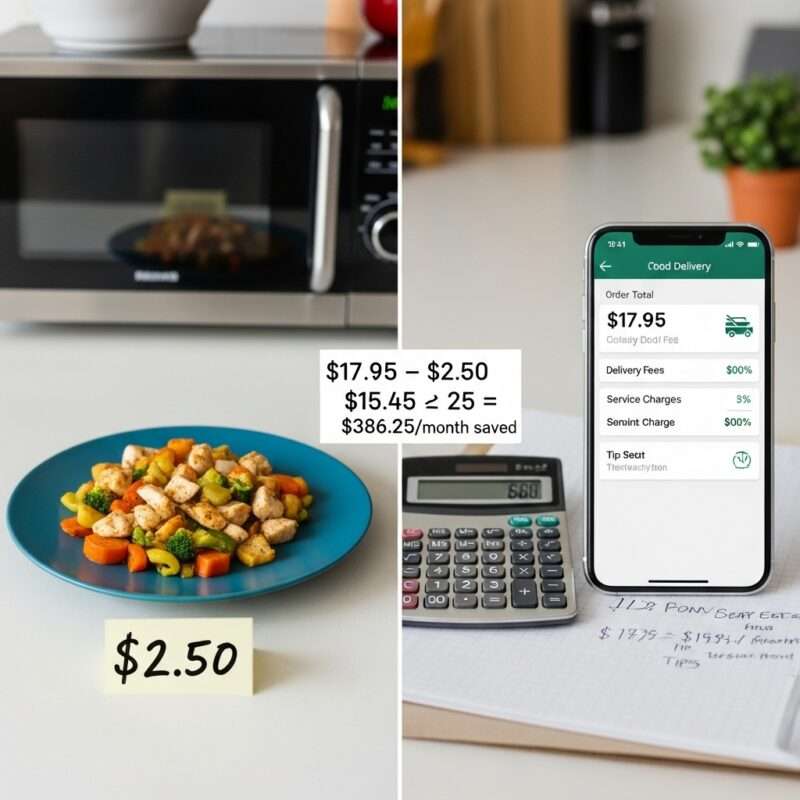
Cost Breakdown: Homemade vs. Takeout
| Dish Type | Homemade Cost | Takeout/Delivery Cost | Monthly Savings (if 6x/week) |
|---|---|---|---|
| Egg and veggie plate | $1.50 | $9-12 (breakfast) | $192-270 |
| Stuffed bell pepper | $2.25 | $11-15 (restaurant meal) | $216-312 |
| Zucchini noodle bowl | $2.75 | $13-18 (delivery pasta) | $246-372 |
| Chicken and broccoli | $3.00 | $12-16 (Chinese takeout) | $216-312 |
| Simple mug meatloaf | $1.80 | $10-14 (diner meal) | $198-294 |
| Basic protein + veggies | $2.50 | $11-15 (average meal) | $204-300 |
Real talk: Making these simple dishes 6 times a week instead of ordering out saves roughly $1,272-1,860 per month. That’s rent money. That’s a flight home. That’s not having to stress about money quite as much while you’re already dealing with everything else.
Additional hidden costs of takeout:
- Delivery fees: $3-6 per order
- Tips: $2-5 per order
- “Convenience” markups: Usually 20-30% higher than in-store prices
- Impulse additions: Sides, drinks, desserts you didn’t plan for
Additional benefits of cooking:
- Control over ingredients (know what you’re eating)
- Portion control (takeout portions are often huge)
- Leftovers (one chicken gives you multiple meals)
- Less packaging waste (matters if you care about that stuff)
Recipe Card: Microwave Chicken and Veggie Bowl
Prep Time: 3 minutes
Cook Time: 6 minutes
Total Time: 9 minutes
Servings: 1 (easily doubled)
Ingredients:
- 1 cup frozen mixed vegetables (broccoli, carrots, whatever mix is cheap)
- ½ cup pre-cooked chicken, diced (rotisserie, canned, or pre-cooked strips)
- 1 tbsp butter
- 1 tbsp soy sauce
- 1 clove garlic, minced (or ½ tsp garlic powder)
- Salt and pepper to taste
- Optional: sriracha, sesame seeds, green onions if you have them
- Optional: ¼ cup shredded cheese if you want it
Instructions:
- Put frozen vegetables in a microwave-safe bowl
- Microwave vegetables on high for 3-4 minutes until hot and tender
- Drain excess water from bowl (there will be some)
- Add chicken, butter, soy sauce, and garlic
- Mix everything together
- Microwave another 1-2 minutes until chicken is hot
- Season with salt and pepper
- Add cheese if using, microwave 30 more seconds to melt
- Top with any extras you have
Nutrition (per serving):
- Calories: 295
- Protein: 28g
- Fat: 14g
- Net Carbs: 12g
- Fiber: 4g
- Sodium: 890mg
Cost per serving: Approximately $2.75-3.00
Notes:
This is probably the most flexible recipe here. Seriously, you can make this with whatever’s in your fridge and it’ll still work.
Protein variations: No chicken? Use canned tuna (drain it first), leftover beef or pork, scrambled eggs, even just add two more scrambled eggs instead. I’ve made this with canned salmon before and it was surprisingly good. If you’re vegetarian, firm tofu works just cut it into cubes and add it with the vegetables.
Vegetable flexibility: Any frozen vegetable mix works. Broccoli and cauliflower is good. Asian stir fry mix is excellent. Even the cheap “mixed vegetables” with corn and peas works fine yes, corn has more carbs, but if that’s what you can afford, use it. Green beans, spinach, whatever’s on sale. Literally cannot mess this up with vegetables.
The sauce situation: Don’t have soy sauce? Use Worcestershire sauce. Don’t have that? Mix butter with a bit of vinegar and garlic. Don’t have butter? Oil works. The point is just adding some flavor and fat to coat everything. I’ve made this with just salt, pepper, and hot sauce when I had nothing else, and it was still decent.
Make it feel more like home: This is where you can get creative with spices from your culture. Add curry powder and garam masala for Indian flavors. Add cumin and chili powder for Latin vibes. Add fish sauce and lime if you’re from Southeast Asia. Use whatever makes it taste familiar to you.
Portion sizing: This recipe is for one person, but it’s easy to double or triple. Just use a bigger bowl and add 1-2 more minutes to cooking time. I usually make double and eat half for lunch the next day. Cold or reheated, both work.
Storage tips: If you make extra, it keeps in the fridge for 2-3 days in a sealed container. Reheats well in the microwave—add a tiny splash of water and cover it so it doesn’t dry out. The vegetables might get slightly softer, but that’s fine.
Budget stretching: Buy the big bags of frozen vegetables—way cheaper per serving. Buy whole rotisserie chickens on sale (usually $5-7) and shred all the meat at once. You’ll get 3-4 meals worth of chicken from one bird. Freeze what you won’t use within 3 days.
When you’re really struggling: On days when even this feels like too much, just do the vegetables and butter. Microwave them, add butter and salt, eat it. That’s still better than skipping meals. Add protein when you can manage it.
Making it special: When you want this to feel less like “sad microwave dinner,” put it in your best bowl, add some color with sriracha or green onions, maybe eat it with chopsticks if you have them. Light a candle if you want. I know it sounds silly, but the ritual helps when you’re eating alone.
Leftovers tip: This actually makes a decent meal prep base. Make a big batch of chicken and vegetables on Sunday, portion it into containers. Each day, switch up the sauce, soy sauce one day, curry powder the next, Italian seasonings after that. Same base, different flavors, less boring.
What This All Comes Down To
You’re far from home. Maybe really far. Maybe so far that even video calls don’t help because the time difference means you’re always catching people at weird times.

And some internet article about microwave recipes isn’t going to fix that. I know it won’t. But what it might do is give you a few more tools for taking care of yourself during a time that’s genuinely difficult.
These low carb dishes aren’t fancy. They’re not going to impress anyone. But they’re real food, they’re affordable, and they’re yours.
And on the days when homesickness hits hard and everything feels wrong and you’re questioning why you even came here making yourself something decent to eat is a small rebellion against giving up. It’s saying “I’m struggling, but I’m still going to feed myself properly.”
That matters more than you think.
You’re doing something brave by being where you are, even if it doesn’t always feel that way. So yeah, take care of yourself. Even if that just means microwaving some chicken and vegetables instead of skipping dinner again.
You’re worth those five minutes.