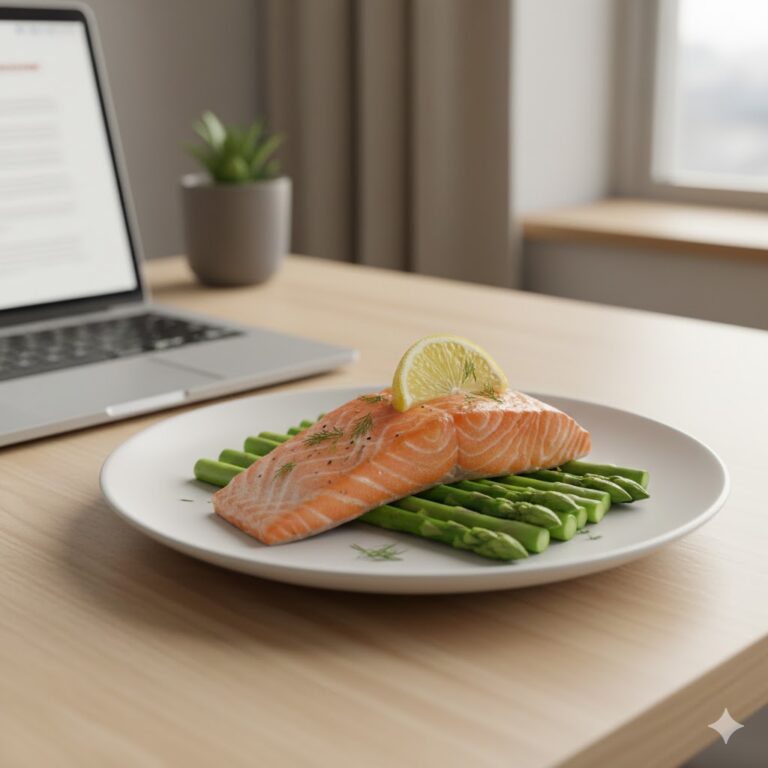
The Ultimate Ramadan Meal Prep Guide: Complete Resource for Students & Working Professionals
Ramadan brings spiritual growth, but it also brings a unique challenge: how do you manage fasting, prayers, and daily responsibilities without spending hours in the kitchen every day?
This guide gives you everything you need to prep meals efficiently, eat nutritiously, and save money during Ramadan. Whether you’re a student in a dorm or a working professional, these strategies will help you stay energized throughout the blessed month.
Week 1-4: Complete Meal Plans
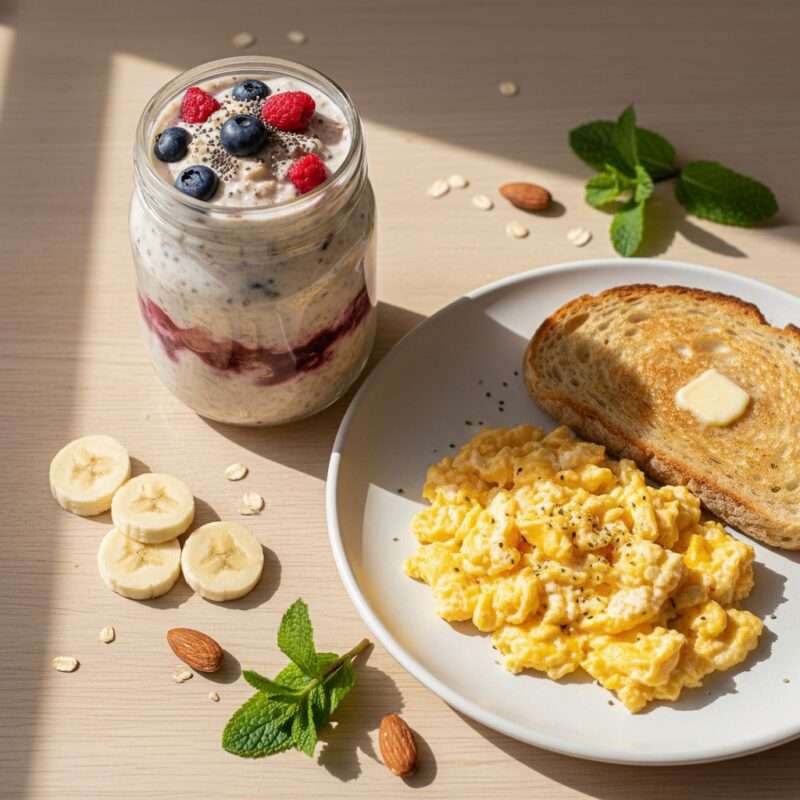
Week 1: Getting Started (Simple & Familiar)
Suhoor Options:
- Day 1-2: Overnight oats with dates, nuts, and banana
- Day 3-4: Scrambled eggs with whole wheat toast and avocado
- Day 5-6: Greek yogurt parfait with granola and berries
- Day 7: Peanut butter banana smoothie with oats
Iftar Menu:
- Day 1: Chicken biryani with raita and salad
- Day 2: Lentil soup with grilled chicken and rice
- Day 3: Beef keema with roti and cucumber salad
- Day 4: Baked salmon with roasted vegetables and quinoa
- Day 5: Chickpea curry with naan bread
- Day 6: Stuffed bell peppers with ground turkey
- Day 7: Grilled kebabs with hummus and pita
Week 2: Balanced Energy (Focus on sustained energy)
Suhoor Options:
- Day 1-2: Veggie omelet with cheese and whole grain toast
- Day 3-4: Chia seed pudding with mango and coconut
- Day 5-6: Breakfast burrito with eggs, beans, and salsa
- Day 7: Almond butter toast with sliced apple
Iftar Menu:
- Day 1: Moroccan chicken tagine with couscous
- Day 2: Vegetable biryani with boiled eggs
- Day 3: Grilled fish tacos with cabbage slaw
- Day 4: Lamb stew with root vegetables
- Day 5: Pasta with turkey meatballs and marinara
- Day 6: Thai curry with tofu and brown rice
- Day 7: Roasted chicken thighs with sweet potato
Week 3: Variety Week (New flavors to keep it interesting)
Suhoor Options:
- Day 1-2: Shakshuka (eggs in tomato sauce) with bread
- Day 3-4: Protein smoothie bowl with toppings
- Day 5-6: Savory oatmeal with egg and vegetables
- Day 7: French toast with fruit compote
Iftar Menu:
- Day 1: Butter chicken with naan and basmati rice
- Day 2: Middle Eastern mezze platter with falafel
- Day 3: Korean beef bowl with kimchi
- Day 4: Italian minestrone soup with garlic bread
- Day 5: Fish curry with steamed vegetables
- Day 6: Mexican rice bowl with black beans
- Day 7: Grilled shrimp with zucchini noodles
Week 4: Final Push (Easy comfort foods)
Suhoor Options:
- Day 1-2: Cottage cheese with dates and walnuts
- Day 3-4: Egg muffins (pre-made) with fruit
- Day 5-6: Whole grain cereal with milk and banana
- Day 7: Leftover rice with yogurt and cucumber
Iftar Menu:
- Day 1: Classic chicken soup with vegetables
- Day 2: Beef and broccoli stir-fry
- Day 3: Baked ziti with ground turkey
- Day 4: Lemon herb salmon with asparagus
- Day 5: Chickpea and spinach curry
- Day 6: BBQ chicken with coleslaw
- Day 7: Simple daal with rice and fried egg
Complete Grocery Shopping Lists
Budget Level 1: $50/Week (Essentials Only)
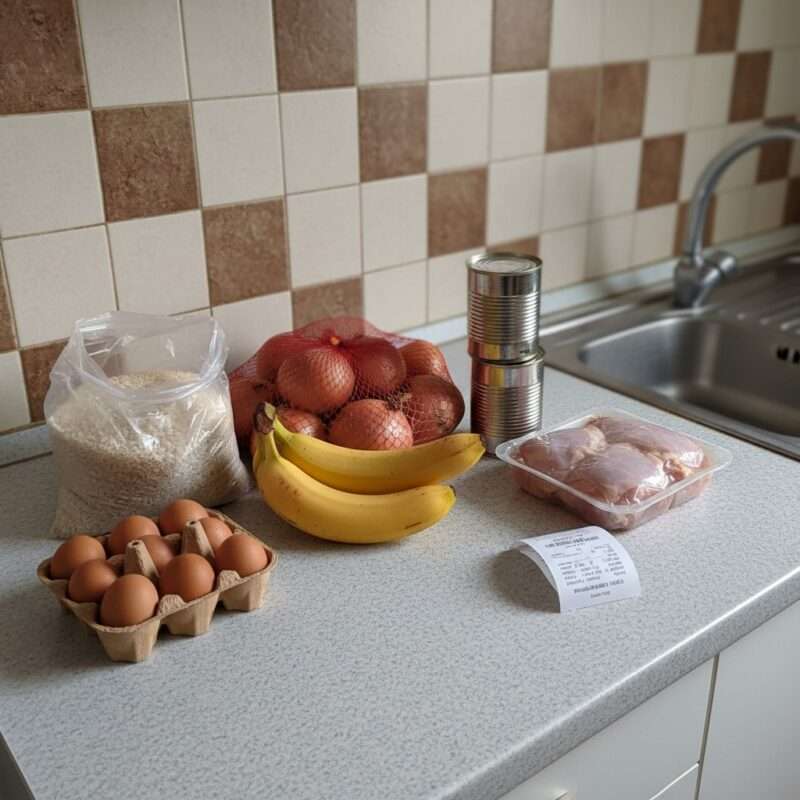
Proteins:
- Eggs (2 dozen) – $6
- Chicken thighs (3 lbs) – $9
- Ground beef or turkey (2 lbs) – $10
- Canned chickpeas (3 cans) – $3
- Lentils (1 lb bag) – $2
Grains & Carbs:
- Rice (5 lb bag) – $5
- Whole wheat bread – $3
- Oats (large container) – $4
Produce:
- Bananas (bunch) – $2
- Onions (bag) – $2
- Tomatoes (4-5) – $3
- Spinach or lettuce – $2
- Potatoes (3 lb bag) – $3
Dairy:
- Milk (1 gallon) – $4
- Yogurt (large tub) – $4
- Cheese (1 block) – $4
Pantry:
- Dates (1 lb) – $5
- Cooking oil – $4
- Basic spices – $3
Total: ~$78 (adjust quantities to hit $50 target)
Budget Level 2: $100/Week (Balanced)
Everything from Budget 1, PLUS:
Additional Proteins:
- Salmon fillets (2) – $12
- Ground lamb (1 lb) – $8
- Extra chicken breasts – $10
More Produce:
- Bell peppers (3-4) – $5
- Cucumbers (2-3) – $3
- Avocados (3-4) – $6
- Mixed berries – $8
- Apples (bag) – $4
Better Grains:
- Quinoa – $6
- Whole wheat pasta – $3
- Naan bread (pack) – $4
Extras:
- Nuts (almonds, walnuts) – $8
- Hummus – $5
- Greek yogurt – $6
Budget Level 3: $150/Week (Optimal Nutrition)
Everything from Budget 2, PLUS:
Premium Proteins:
- Fresh fish variety – $15
- Grass-fed beef – $12
- Organic chicken – $8
Organic Produce:
- Kale, arugula – $6
- Asparagus – $5
- Sweet potatoes – $4
- Fresh herbs – $5
- Mushrooms – $4
Quality Additions:
- Chia seeds – $6
- Coconut milk – $4
- Tahini – $6
- Fresh juice – $8
- Specialty cheeses – $10
- Extra virgin olive oil – $12
🛒 Ramadan Grocery Checklist
Check items as you shop
🥩 Proteins
🌾 Grains & Carbs
🥬 Fresh Produce
🥛 Dairy
🏺 Pantry Essentials
Prep Schedule: What to Prep When
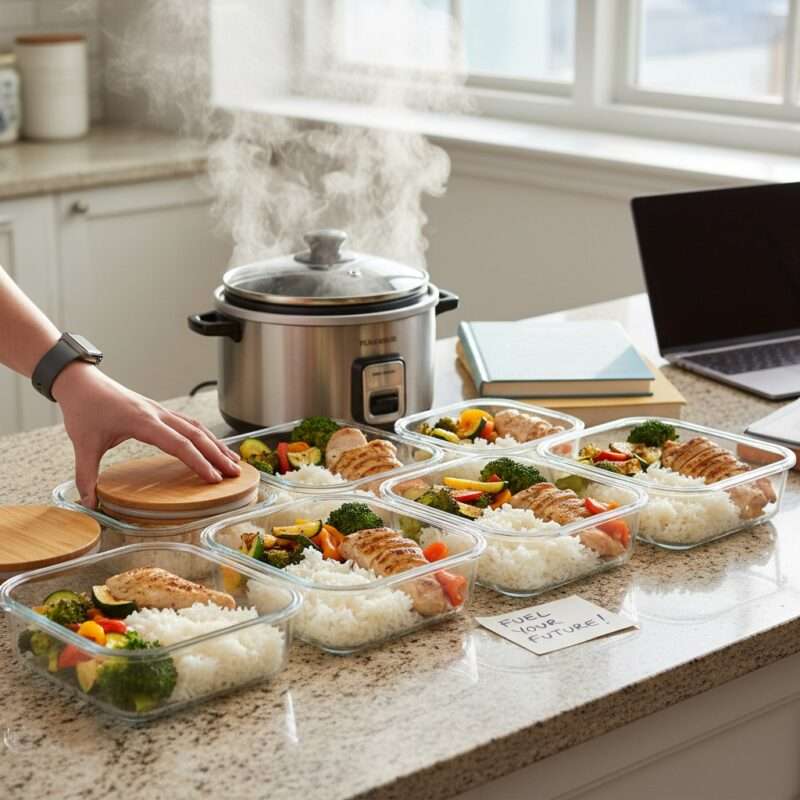
Friday/Saturday (2-3 Hours Total)
Big Batch Cooking:
- Cook grains in bulk (30 min)
- Make 8-10 cups cooked rice
- Cook quinoa or couscous
- Divide into portions, freeze half
- Prep proteins (45 min)
- Marinate 3 lbs chicken (for 3-4 days)
- Season ground meat, portion into bags
- Hard boil 1 dozen eggs
- Chop vegetables (30 min)
- Dice onions (store in container)
- Chop bell peppers
- Wash and prep salad greens
- Cut vegetables for roasting
- Make sauces (20 min)
- Blend date smoothie base
- Make curry sauce
- Prep marinara or tomato base
- Suhoor prep (15 min)
- Portion overnight oats into jars
- Make chia pudding for the week
- Prep smoothie bags (freeze fruits)
Mid-Week Check (Wednesday – 30 min)
- Defrost any frozen proteins
- Wash more vegetables if needed
- Make another batch of rice
- Prep 2-3 more suhoor meals
- Check inventory, adjust shopping list
Daily Quick Prep (15-20 min before Iftar)
- Take out pre-marinated protein
- Reheat rice or grains
- Quick-cook vegetables
- Assemble salad
- Set out dates and water
Storage Tips: Make It Last
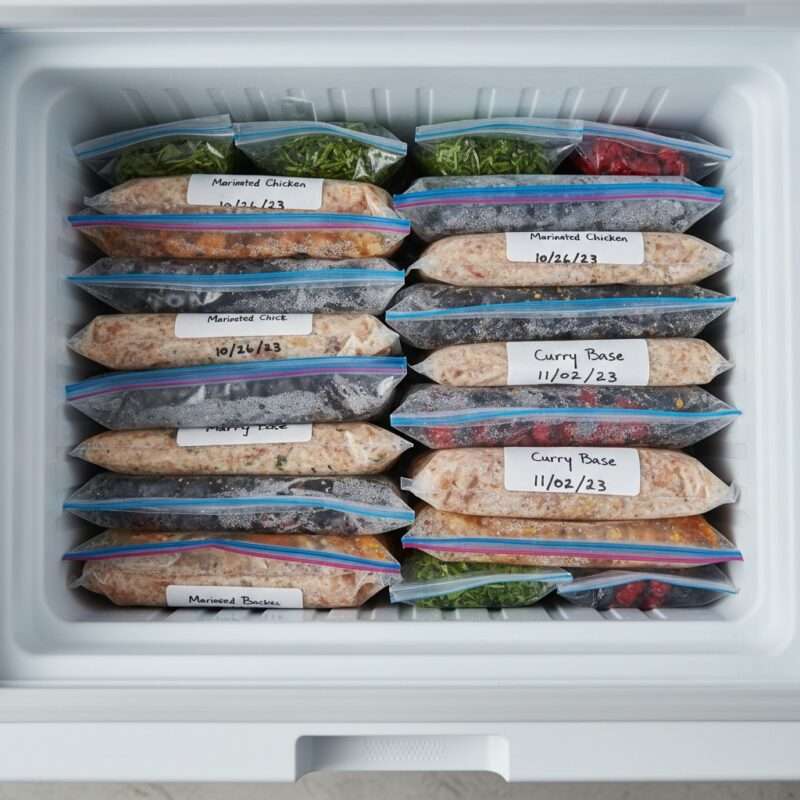
Freezer-Friendly Recipes
Can Freeze for 2-3 Months:
- Biryani (without raita)
- Curry bases (all types)
- Cooked ground meat dishes
- Marinated raw chicken
- Soup and stews
- Cooked rice portions
- Naan bread
- Samosas and spring rolls
How to Freeze Properly:
- Cool food completely before freezing
- Use airtight containers or heavy-duty freezer bags
- Label with name and date
- Portion into meal-sized amounts
- Remove air from bags to prevent freezer burn
- Lay flat to freeze (saves space)
Never Freeze:
- Yogurt-based dishes (raita)
- Fresh salads
- Fried foods (get soggy)
- Boiled eggs
- Fresh herbs in oil
Refrigerator Storage (3-4 Days Max)
Proper Storage Methods:
- Store proteins on bottom shelf
- Keep vegetables in crisper drawer
- Store rice in shallow containers (cools faster)
- Keep sauces separate from main dishes
- Use glass containers when possible
Organization Tip: Label everything with prep date. Follow the “first in, first out” rule.
Time-Saving Hacks
Batch Cooking Strategies
The 3-Hour Sunday Method:
- Hour 1: Cook all grains and proteins
- Hour 2: Prep all vegetables and sauces
- Hour 3: Assemble and store everything
Cook Once, Eat Three Ways:
- Roast 4 lbs chicken → Use for biryani, soup, and wraps
- Make 6 cups lentils → Use for daal, soup, and salad
- Prep 10 cups rice → Biryani, fried rice, rice bowls
One-Pot Meal Strategies
Rice Cooker Magic:
- Cook rice + frozen vegetables + chicken = complete meal
- Set timer to finish right before Iftar
- No monitoring needed
Slow Cooker Wins:
- Add ingredients in morning
- Come home to ready meal
- Perfect for stews and curries
Sheet Pan Dinners:
- Protein + vegetables on one pan
- Roast at 400°F for 25-30 min
- Minimal cleanup
Pre-Portioned Suhoor System
Mason Jar Meals:
- Overnight oats (5 jars at once)
- Chia pudding (lasts 5 days)
- Just grab and eat
Freezer Smoothie Bags:
- Pre-portion all ingredients
- Blend with liquid in morning
- Done in 2 minutes
Nutrition Guidelines for Balanced Suhoor & Iftar
Ideal Suhoor Composition
The Perfect Suhoor Formula:
- 40% Complex Carbs: Oats, whole wheat, quinoa
- 30% Protein: Eggs, yogurt, cheese, nuts
- 20% Healthy Fats: Nuts, avocado, nut butter
- 10% Fruits: Bananas, dates, berries
Hydration is Critical:
- Drink 2-3 glasses of water
- Avoid excessive caffeine
- Include water-rich fruits
Foods That Keep You Full:
- Oatmeal with nuts
- Eggs with whole grain toast
- Greek yogurt with seeds
- Peanut butter banana smoothie
Avoid These at Suhoor:
- Sugary cereals (crash later)
- Salty foods (increase thirst)
- Fried foods (hard to digest)
- Too much tea or coffee
Ideal Iftar Composition
Break Fast the Right Way:
- Start with: 3 dates + water (Sunnah)
- Wait 5-10 min: Let stomach adjust
- Have soup or salad: Light and nutritious
- Pray Maghrib: Give digestion time
- Main meal: Balanced plate
The Balanced Iftar Plate:
- 1/2 Plate: Vegetables (cooked or raw)
- 1/4 Plate: Lean protein
- 1/4 Plate: Complex carbs
- Side: Healthy fats (nuts, avocado)
Post-Iftar Snacking:
- Fresh fruit
- Nuts and dates
- Herbal tea
- Avoid heavy desserts daily
Supplements to Consider
- Multivitamin (take at Iftar)
- Vitamin D (especially if limited sun)
- Omega-3 (if not eating fish regularly)
- Electrolytes (if exercising)
Equipment Checklist: Minimal Kitchen Setup
Essential Equipment (Under $100 Total)
Must-Haves:
- Rice cooker ($30) – Game changer for students
- 2-3 Large pots ($25) – For cooking in bulk
- 1 Large pan ($20) – For sautéing
- Sharp knife ($15) – Makes prep faster
- Cutting board ($10) – Get a large one
- Food storage containers ($25) – Glass preferred
- 5 large containers
- 10 small containers
- Freezer bags ($5) – Heavy-duty quality
Nice to Have (Budget Permitting):
- Slow cooker ($40)
- Blender ($30)
- Sheet pans ($15)
- Measuring cups/spoons ($10)
- Large mixing bowls ($15)
Storage Solutions
Maximize Small Spaces:
- Stackable containers save space
- Use cabinet door organizers
- Store pots inside each other
- Hang utensils on wall hooks
Freezer Organization:
- Use baskets or bins
- Label everything clearly
- Keep inventory list on door
- Rotate stock regularly
Downloadable Resources (Printable)
Weekly Meal Plan Calendar Template
Print and Fill In:
| Day | Suhoor | Iftar Main | Iftar Side | Snacks |
| 1 | ||||
| 2 | ||||
| 3 | ||||
| 4 | ||||
| 5 | ||||
| 6 | ||||
| 7 |
Master Grocery Checklist
Proteins:
- [ ] Eggs (qty:
- [ ] Chicken (qty:
- [ ] Ground meat (qty:
- [ ] Fish (qty:
- [ ] Lentils/beans (qty:
Grains:
- [ ] Rice
- [ ] Bread
- [ ] Pasta
- [ ] Oats
- [ ] Quinoa
Produce:
- [ ] Onions
- [ ] Tomatoes
- [ ] Greens
- [ ] Peppers
- [ ] Potatoes
- [ ] Bananas
- [ ] Dates
- [ ] Other:
Dairy:
- [ ] Milk
- [ ] Yogurt
- [ ] Cheese
- [ ] Butter
Pantry:
- [ ] Oil
- [ ] Spices
- [ ] Salt/pepper
- [ ] Canned goods
- [ ] Nuts
🌙 Ramadan Weekly Meal Planner
Plan your Suhoor and Iftar meals for the entire week
| Day | Suhoor | Iftar Main | Iftar Side | Snacks |
|---|---|---|---|---|
| 1 | ||||
| 2 | ||||
| 3 | ||||
| 4 | ||||
| 5 | ||||
| 6 | ||||
| 7 |
💡 Meal Planning Tips:
- Mix it up: Rotate different cuisines throughout the week to avoid boredom
- Prep ahead: Choose 2-3 meals that can be batch-cooked on weekends
- Balance nutrition: Include protein, complex carbs, and vegetables in every meal
- Stay hydrated: Plan water-rich foods for Suhoor to help with hydration
- Simple is better: Don’t overcomplicate – simple meals are easier to stick with
Quick Reference: Emergency Meal Ideas
When You’re Too Tired to Cook:
- 15-Minute Meals:
- Scrambled eggs with toast and fruit
- Pasta with store-bought sauce
- Rice with canned beans and salsa
- Rotisserie chicken with bagged salad
- Instant noodles upgraded (add egg, vegetables)
- No-Cook Iftar:
- Hummus plate with vegetables and pita
- Cheese, crackers, fruits, nuts
- Pre-made sandwich with sides
- Yogurt bowl with granola and fruits
- Freezer Rescue Meals:
- Frozen pizza (keep 1-2 on hand)
- Frozen vegetables with rice
- Pre-made frozen samosas or spring rolls
Common Mistakes to Avoid
Meal Prep Mistakes:
- Cooking too much at once (causes burnout)
- Not labeling containers (forget what’s what)
- Storing hot food (causes bacteria growth)
- Over-complicating recipes (keep it simple)
- Forgetting to defrost (ruins timing)
Nutrition Mistakes:
- Breaking fast with heavy fried foods
- Not drinking enough water
- Skipping suhoor (causes weakness)
- Too much sugar at Iftar (energy crash)
- Eating main meal too quickly
Budget Mistakes:
- Shopping without a list
- Buying pre-cut vegetables (costs more)
- Not checking what you already have
- Throwing away leftovers
- Shopping when hungry
Final Tips for Success
Set Yourself Up for Success:
- Prep on days when you have energy
- Start simple, don’t overwhelm yourself
- Accept that some days you’ll order out (it’s okay)
- Keep emergency backup meals ready
- Ask family or friends to meal prep together
Stay Flexible:
- Life happens, adjust your plan as needed
- Swap meals around if you’re not feeling something
- Use leftovers creatively
- Don’t stress about perfection
Make It Sustainable:
- Find recipes you actually enjoy
- Reuse successful meal prep strategies
- Learn from what didn’t work
- Focus on nutrition, not restriction
Remember, the goal of Ramadan is spiritual growth. Meal prep should make your life easier so you can focus on worship, reflection, and community. Start small, stay consistent, and adjust as you go.
May your Ramadan be blessed, and may these strategies help you maintain energy and focus throughout the holy month. Ramadan Mubarak!
Additional Resources
- Save this guide for reference throughout Ramadan
- Print the meal plan calendar and grocery checklist
- Share with friends who might benefit
- Adjust recipes based on your dietary needsThe Ultimate Ramadan Meal Prep Guide: Complete Resource for Students & Working Professionals
Ramadan brings spiritual growth, but it also brings a unique challenge: how do you manage fasting, prayers, and daily responsibilities without spending hours in the kitchen every day?
This guide gives you everything you need to prep meals efficiently, eat nutritiously, and save money during Ramadan. Whether you’re a student in a dorm or a working professional, these strategies will help you stay energized throughout the blessed month.
Week 1-4: Complete Meal Plans
Week 1: Getting Started (Simple & Familiar)
Suhoor Options:
Day 1-2: Overnight oats with dates, nuts, and banana
Day 3-4: Scrambled eggs with whole wheat toast and avocado
Day 5-6: Greek yogurt parfait with granola and berries
Day 7: Peanut butter banana smoothie with oats
Iftar Menu:
Day 1: Chicken biryani with raita and salad
Day 2: Lentil soup with grilled chicken and rice
Day 3: Beef keema with roti and cucumber salad
Day 4: Baked salmon with roasted vegetables and quinoa
Day 5: Chickpea curry with naan bread
Day 6: Stuffed bell peppers with ground turkey
Day 7: Grilled kebabs with hummus and pita
Week 2: Balanced Energy (Focus on sustained energy)
Suhoor Options:
Day 1-2: Veggie omelet with cheese and whole grain toast
Day 3-4: Chia seed pudding with mango and coconut
Day 5-6: Breakfast burrito with eggs, beans, and salsa
Day 7: Almond butter toast with sliced apple
Iftar Menu:
Day 1: Moroccan chicken tagine with couscous
Day 2: Vegetable biryani with boiled eggs
Day 3: Grilled fish tacos with cabbage slaw
Day 4: Lamb stew with root vegetables
Day 5: Pasta with turkey meatballs and marinara
Day 6: Thai curry with tofu and brown rice
Day 7: Roasted chicken thighs with sweet potato
Week 3: Variety Week (New flavors to keep it interesting)
Suhoor Options:
Day 1-2: Shakshuka (eggs in tomato sauce) with bread
Day 3-4: Protein smoothie bowl with toppings
Day 5-6: Savory oatmeal with egg and vegetables
Day 7: French toast with fruit compote
Iftar Menu:
Day 1: Butter chicken with naan and basmati rice
Day 2: Middle Eastern mezze platter with falafel
Day 3: Korean beef bowl with kimchi
Day 4: Italian minestrone soup with garlic bread
Day 5: Fish curry with steamed vegetables
Day 6: Mexican rice bowl with black beans
Day 7: Grilled shrimp with zucchini noodles
Week 4: Final Push (Easy comfort foods)
Suhoor Options:
Day 1-2: Cottage cheese with dates and walnuts
Day 3-4: Egg muffins (pre-made) with fruit
Day 5-6: Whole grain cereal with milk and banana
Day 7: Leftover rice with yogurt and cucumber
Iftar Menu:
Day 1: Classic chicken soup with vegetables
Day 2: Beef and broccoli stir-fry
Day 3: Baked ziti with ground turkey
Day 4: Lemon herb salmon with asparagus
Day 5: Chickpea and spinach curry
Day 6: BBQ chicken with coleslaw
Day 7: Simple daal with rice and fried egg
Complete Grocery Shopping Lists
Budget Level 1: $50/Week (Essentials Only)
Proteins:
Eggs (2 dozen) – $6
Chicken thighs (3 lbs) – $9
Ground beef or turkey (2 lbs) – $10
Canned chickpeas (3 cans) – $3
Lentils (1 lb bag) – $2
Grains & Carbs:
Rice (5 lb bag) – $5
Whole wheat bread – $3
Oats (large container) – $4
Produce:
Bananas (bunch) – $2
Onions (bag) – $2
Tomatoes (4-5) – $3
Spinach or lettuce – $2
Potatoes (3 lb bag) – $3
Dairy:
Milk (1 gallon) – $4
Yogurt (large tub) – $4
Cheese (1 block) – $4
Pantry:
Dates (1 lb) – $5
Cooking oil – $4
Basic spices – $3
Total: ~$78 (adjust quantities to hit $50 target)
Budget Level 2: $100/Week (Balanced)
Everything from Budget 1, PLUS:
Additional Proteins:
Salmon fillets (2) – $12
Ground lamb (1 lb) – $8
Extra chicken breasts – $10
More Produce:
Bell peppers (3-4) – $5
Cucumbers (2-3) – $3
Avocados (3-4) – $6
Mixed berries – $8
Apples (bag) – $4
Better Grains:
Quinoa – $6
Whole wheat pasta – $3
Naan bread (pack) – $4
Extras:
Nuts (almonds, walnuts) – $8
Hummus – $5
Greek yogurt – $6
Budget Level 3: $150/Week (Optimal Nutrition)
Everything from Budget 2, PLUS:
Premium Proteins:
Fresh fish variety – $15
Grass-fed beef – $12
Organic chicken – $8
Organic Produce:
Kale, arugula – $6
Asparagus – $5
Sweet potatoes – $4
Fresh herbs – $5
Mushrooms – $4
Quality Additions:
Chia seeds – $6
Coconut milk – $4
Tahini – $6
Fresh juice – $8
Specialty cheeses – $10
Extra virgin olive oil – $12
Prep Schedule: What to Prep When
Friday/Saturday (2-3 Hours Total)
Big Batch Cooking:
Cook grains in bulk (30 min)
Make 8-10 cups cooked rice
Cook quinoa or couscous
Divide into portions, freeze half
Prep proteins (45 min)
Marinate 3 lbs chicken (for 3-4 days)
Season ground meat, portion into bags
Hard boil 1 dozen eggs
Chop vegetables (30 min)
Dice onions (store in container)
Chop bell peppers
Wash and prep salad greens
Cut vegetables for roasting
Make sauces (20 min)
Blend date smoothie base
Make curry sauce
Prep marinara or tomato base
Suhoor prep (15 min)
Portion overnight oats into jars
Make chia pudding for the week
Prep smoothie bags (freeze fruits)
Mid-Week Check (Wednesday – 30 min)
Defrost any frozen proteins
Wash more vegetables if needed
Make another batch of rice
Prep 2-3 more suhoor meals
Check inventory, adjust shopping list
Daily Quick Prep (15-20 min before Iftar)
Take out pre-marinated protein
Reheat rice or grains
Quick-cook vegetables
Assemble salad
Set out dates and water
Storage Tips: Make It Last
Freezer-Friendly Recipes
Can Freeze for 2-3 Months:
Biryani (without raita)
Curry bases (all types)
Cooked ground meat dishes
Marinated raw chicken
Soup and stews
Cooked rice portions
Naan bread
Samosas and spring rolls
How to Freeze Properly:
Cool food completely before freezing
Use airtight containers or heavy-duty freezer bags
Label with name and date
Portion into meal-sized amounts
Remove air from bags to prevent freezer burn
Lay flat to freeze (saves space)
Never Freeze:
Yogurt-based dishes (raita)
Fresh salads
Fried foods (get soggy)
Boiled eggs
Fresh herbs in oil
Refrigerator Storage (3-4 Days Max)
Proper Storage Methods:
Store proteins on bottom shelf
Keep vegetables in crisper drawer
Store rice in shallow containers (cools faster)
Keep sauces separate from main dishes
Use glass containers when possible
Organization Tip: Label everything with prep date. Follow the “first in, first out” rule.
Time-Saving Hacks
Batch Cooking Strategies
The 3-Hour Sunday Method:
Hour 1: Cook all grains and proteins
Hour 2: Prep all vegetables and sauces
Hour 3: Assemble and store everything
Cook Once, Eat Three Ways:
Roast 4 lbs chicken → Use for biryani, soup, and wraps
Make 6 cups lentils → Use for daal, soup, and salad
Prep 10 cups rice → Biryani, fried rice, rice bowls
One-Pot Meal Strategies
Rice Cooker Magic:
Cook rice + frozen vegetables + chicken = complete meal
Set timer to finish right before Iftar
No monitoring needed
Slow Cooker Wins:
Add ingredients in morning
Come home to ready meal
Perfect for stews and curries
Sheet Pan Dinners:
Protein + vegetables on one pan
Roast at 400°F for 25-30 min
Minimal cleanup
Pre-Portioned Suhoor System
Mason Jar Meals:
Overnight oats (5 jars at once)
Chia pudding (lasts 5 days)
Just grab and eat
Freezer Smoothie Bags:
Pre-portion all ingredients
Blend with liquid in morning
Done in 2 minutes
Nutrition Guidelines for Balanced Suhoor & Iftar
Ideal Suhoor Composition
The Perfect Suhoor Formula:
40% Complex Carbs: Oats, whole wheat, quinoa
30% Protein: Eggs, yogurt, cheese, nuts
20% Healthy Fats: Nuts, avocado, nut butter
10% Fruits: Bananas, dates, berries
Hydration is Critical:
Drink 2-3 glasses of water
Avoid excessive caffeine
Include water-rich fruits
Foods That Keep You Full:
Oatmeal with nuts
Eggs with whole grain toast
Greek yogurt with seeds
Peanut butter banana smoothie
Avoid These at Suhoor:
Sugary cereals (crash later)
Salty foods (increase thirst)
Fried foods (hard to digest)
Too much tea or coffee
Ideal Iftar Composition
Break Fast the Right Way:
Start with: 3 dates + water (Sunnah)
Wait 5-10 min: Let stomach adjust
Have soup or salad: Light and nutritious
Pray Maghrib: Give digestion time
Main meal: Balanced plate
The Balanced Iftar Plate:
1/2 Plate: Vegetables (cooked or raw)
1/4 Plate: Lean protein
1/4 Plate: Complex carbs
Side: Healthy fats (nuts, avocado)
Post-Iftar Snacking:
Fresh fruit
Nuts and dates
Herbal tea
Avoid heavy desserts daily
Supplements to Consider
Multivitamin (take at Iftar)
Vitamin D (especially if limited sun)
Omega-3 (if not eating fish regularly)
Electrolytes (if exercising)
Equipment Checklist: Minimal Kitchen Setup
Essential Equipment (Under $100 Total)
Must-Haves:
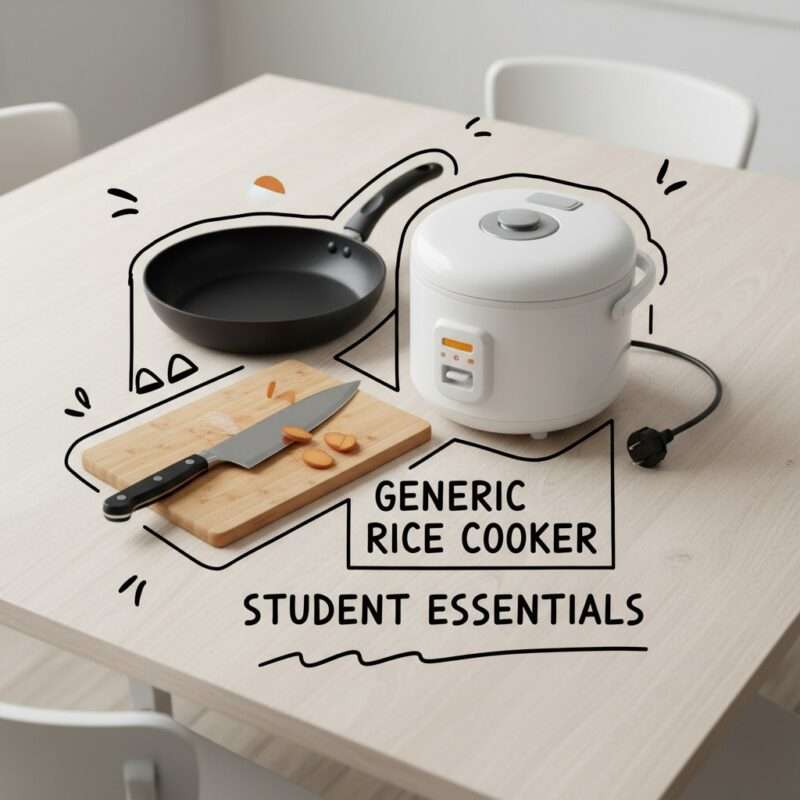
Rice cooker ($30) – Game changer for students
2-3 Large pots ($25) – For cooking in bulk
1 Large pan ($20) – For sautéing
Sharp knife ($15) – Makes prep faster
Cutting board ($10) – Get a large one
Food storage containers ($25) – Glass preferred
5 large containers
10 small containers
Freezer bags ($5) – Heavy-duty quality
Nice to Have (Budget Permitting):
Slow cooker ($40)
Blender ($30)
Sheet pans ($15)
Measuring cups/spoons ($10)
Large mixing bowls ($15)
Storage Solutions
Maximize Small Spaces:
Stackable containers save space
Use cabinet door organizers
Store pots inside each other
Hang utensils on wall hooks
Freezer Organization:
Use baskets or bins
Label everything clearly
Keep inventory list on door
Rotate stock regularly
Downloadable Resources (Printable)
Weekly Meal Plan Calendar Template
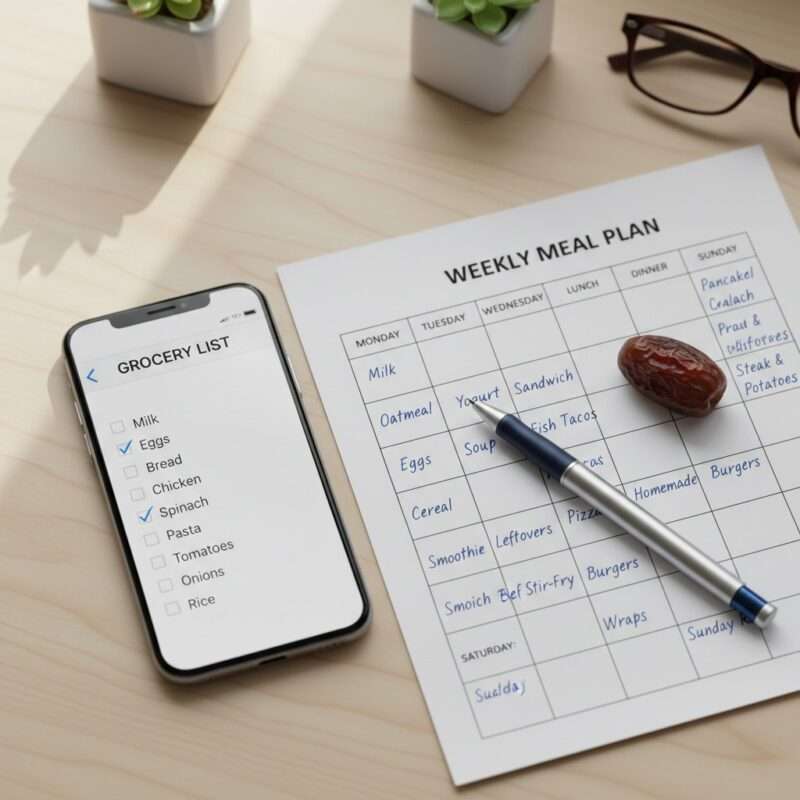
Print and Fill In:
Day
Suhoor
Iftar Main
Iftar Side
Snacks
Master Grocery Checklist
Proteins:
[ ] Eggs (qty:
[ ] Chicken (qty:
[ ] Ground meat (qty:
[ ] Fish (qty:
[ ] Lentils/beans (qty:
Grains:
[ ] Rice
[ ] Bread
[ ] Pasta
[ ] Oats
[ ] Quinoa
Produce:
[ ] Onions
[ ] Tomatoes
[ ] Greens
[ ] Peppers
[ ] Potatoes
[ ] Bananas
[ ] Dates
[ ] Other:
Dairy:
[ ] Milk
[ ] Yogurt
[ ] Cheese
[ ] Butter
Pantry:
[ ] Oil
[ ] Spices
[ ] Salt/pepper
[ ] Canned goods
[ ] Nuts
Quick Reference: Emergency Meal Ideas
When You’re Too Tired to Cook:
15-Minute Meals:
Scrambled eggs with toast and fruit
Pasta with store-bought sauce
Rice with canned beans and salsa
Rotisserie chicken with bagged salad
Instant noodles upgraded (add egg, vegetables)
No-Cook Iftar:
Hummus plate with vegetables and pita
Cheese, crackers, fruits, nuts
Pre-made sandwich with sides
Yogurt bowl with granola and fruits
Freezer Rescue Meals:
Frozen pizza (keep 1-2 on hand)
Frozen vegetables with rice
Pre-made frozen samosas or spring rolls
Common Mistakes to Avoid
Meal Prep Mistakes:
Cooking too much at once (causes burnout)
Not labeling containers (forget what’s what)
Storing hot food (causes bacteria growth)
Over-complicating recipes (keep it simple)
Forgetting to defrost (ruins timing)
Nutrition Mistakes:
Breaking fast with heavy fried foods
Not drinking enough water
Skipping suhoor (causes weakness)
Too much sugar at Iftar (energy crash)
Eating main meal too quickly
Budget Mistakes:
Shopping without a list
Buying pre-cut vegetables (costs more)
Not checking what you already have
Throwing away leftovers
Shopping when hungry
Final Tips for Success
Set Yourself Up for Success:
Prep on days when you have energy
Start simple, don’t overwhelm yourself
Accept that some days you’ll order out (it’s okay)
Keep emergency backup meals ready
Ask family or friends to meal prep together
Stay Flexible:
Life happens, adjust your plan as needed
Swap meals around if you’re not feeling something
Use leftovers creatively
Don’t stress about perfection
Make It Sustainable:
Find recipes you actually enjoy
Reuse successful meal prep strategies
Learn from what didn’t work
Focus on nutrition, not restriction
Remember, the goal of Ramadan is spiritual growth. Meal prep should make your life easier so you can focus on worship, reflection, and community. Start small, stay consistent, and adjust as you go.
May your Ramadan be blessed, and may these strategies help you maintain energy and focus throughout the holy month. Ramadan Muba
Additional Resources
Save this guide for reference throughout Ramadan
Print the meal plan calendar and grocery checklist
Share with friends who might benefit
Adjust recipes based on your dietary needs
Remember: meal prep gets easier with practice
Questions or need recipe specifics? Come back to this guide throughout the month. Everything you need is here.- Remember: meal prep gets easier with practice
Questions or need recipe specifics? Come back to this guide throughout the month. Everything you need is here.