Your Personal Fitness Calculator: The Friend You Need When Home Feels Far Away
You know what? Living abroad is tough. Some days you’re crushing it, exploring new places and making memories. Other days you’re scrolling through old photos at 2 AM, wondering if you made the right choice.
I get it. I’ve been there.
And here’s something nobody tells you before you leave: taking care of yourself gets harder when you’re homesick. You skip meals because cooking for one feel depressing. Or you eat too much takeout because, honestly, who has the energy after a 12-hour shift or back-to-back lectures?
But here’s where a fitness calculator becomes your quiet companion-not in a preachy way, but like that friend who gently reminds you that you matter.
Why a Fitness Calculator Actually Helps (No, Really)
Look, I’m not going to sell you some miracle solution. A fitness calculator won’t cure loneliness. But it does something unexpected: it gives you control when everything else feels chaotic.
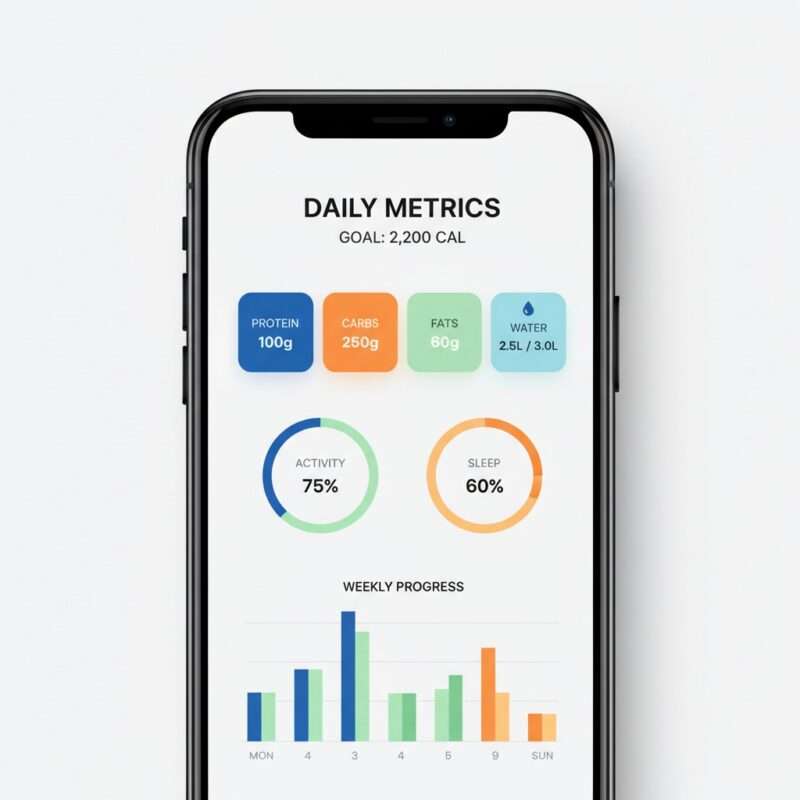
Think about it. You’re navigating a new country, maybe a new language, definitely new food. You don’t know if you’re eating enough protein or if that daily bubble tea habit is wrecking your budget and your health. A fitness calculator breaks it down simply—calories, macros, your actual needs based on your body and activity level.
It’s like having a baseline. A “this is what MY body needs” reference point when everything around you is unfamiliar.
The Numbers That Actually Matter
Here’s what a good fitness calculator tells you:

Daily Calorie Needs: Not some generic 2,000-calorie nonsense. YOUR number based on your age, height, weight, and how much you’re actually moving. Are you walking everywhere because you can’t afford a car? That counts. Standing all day at your warehouse job? That counts too.
Protein Requirements: Especially important if you’re doing physical work or studying long hours. Your brain needs fuel. Your muscles need repair. And no, instant noodles don’t cut it (I know, I lived on them for three months).
Hydration Goals: Sounds basic, but when you’re stressed, you forget. I spent weeks with constant headaches before realizing I was barely drinking water.
BMI and Body Composition: Yeah, BMI isn’t perfect, but it’s a starting point. More importantly, tracking changes helps you notice if stress is affecting your health before it becomes serious.
How I Actually Use Mine (The Messy Truth)
Every Sunday evening, I spend five minutes updating my fitness calculator. That’s it. Five minutes.
🏋️ AI Fitness Plan Generator
Get your personalized fitness plan with progress tracking delivered instantly to your email
I weigh myself (same time, same conditions-after waking up, before breakfast). I note how many workout days I managed that week. Sometimes it’s five. Sometimes it’s zero because work was brutal and I just… couldn’t.
The calculator doesn’t judge. It just recalibrates.
Last month, I noticed my weight was creeping up even though I wasn’t eating more. Turns out I’d stopped walking to the library-taking the bus instead because winter was miserable. The calculator showed me I’d lost about 300 calories of daily activity. Small change, but it explained everything.
I didn’t need to diet. I just needed to walk again. Simple fix.
The Real Benefits Nobody Talks About
Structure: When your days blur together (work, study, sleep, repeat), checking your fitness calculator becomes a small ritual. It’s self-care disguised as data entry.
Empowerment: You’re making decisions based on information, not guessing. Should you grab that £8 meal deal or make pasta at home? The calculator shows you nutritionally what you need, then you can decide financially what works.
Progress Tracking: Those small wins matter. Maybe you’re still 5kg from your goal weight, but you’ve hit your protein target four days this week. That’s progress. That’s you taking care of yourself despite everything.
Reality Checks: Sometimes you think you’re doing fine, but the numbers tell a different story. I thought I was eating enough. Calculator said I was 500 calories short daily. No wonder I felt exhausted all the time.
Making It Work with Your Actual Life
Let’s be honest-you’re not a fitness influencer with a meal prep Sunday and gym membership. You’re working weird hours or studying until midnight. You’re tired. You’re on a budget.
So here’s how to use a fitness calculator realistically:
Start with your baseline. Enter your stats, set your activity level honestly (don’t lie and say “very active” if you’re mostly sitting). Get your numbers.
Track for one week. Just one week of writing down what you actually eat. You don’t need to change anything yet. Just observe. Most fitness calculators have apps that make this easy—scan barcodes, search foods, done.
Look for patterns. Are you consistently low on protein? Skipping breakfast? Eating most of your calories late at night because that’s when you have time?
Make ONE change. Not ten. ONE. Maybe you add a boiled egg to breakfast. Maybe you swap one takeout meal for a homemade version. Small changes stick better than complete overhauls.
Recalculate monthly. As your weight changes or your activity level shifts (new job, different schedule), update the calculator. It adapts with you.
The Food Math That Changed My Budget
This is where the fitness calculator became really valuable for me-understanding the connection between nutrition and money.
I was spending £60-80 weekly on food. Most of it was convenience stuff=meal deals, takeout, cafeteria lunches. I thought cooking was more expensive. I was wrong.
Using my fitness calculator, I figured out I needed about 2,200 calories daily with at least 100g protein. Then I did the grocery math.
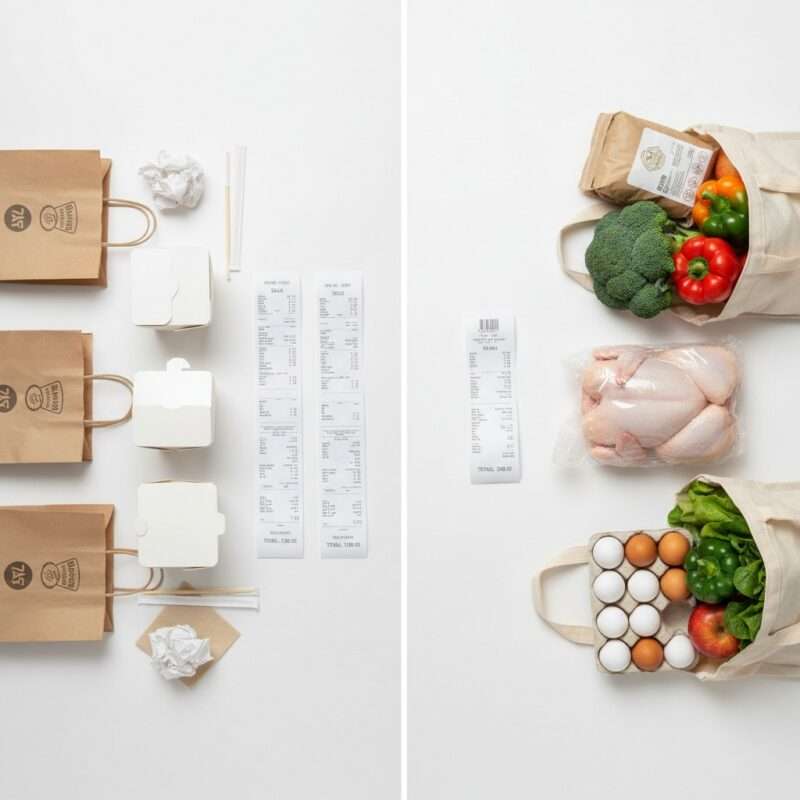
Weekly Cost Comparison:
| Meal Type | Takeout Cost | Homemade Cost | Weekly Savings |
| Breakfast | £25 (5x meal deals) | £8 (oats, eggs, fruit) | £17 |
| Lunch | £35 (5x takeout) | £15 (batch-cooked meals) | £20 |
| Dinner | £40 (4x restaurant/delivery) | £20 (home cooking) | £20 |
| Total | £100/week | £43/week | £57/week |
That’s £228 monthly savings. Or £2,736 yearly. And the homemade versions actually hit my nutritional targets better—more protein, less sodium, fewer mystery ingredients.
I’m not saying never eat out. I’m saying the calculator helps you see where your money AND nutrition are going. Then you decide consciously instead of just defaulting to convenience.
When Loneliness Hits (Because It Will)
Here’s the thing nobody prepares you for: being healthy abroad isn’t just about food and exercise. It’s about mental health too.
Some weeks, I use my fitness calculator religiously. Other weeks, I can’t even look at it because I’m too overwhelmed. And that’s okay.
The calculator is a tool, not a guilt machine. If you miss a week of tracking, you just start again. No judgment. Your body doesn’t reset to zero because you ate pizza three nights in a row or skipped the gym.
What helped me most was this perspective: taking care of my body is one of the few things I can fully control here. I can’t control my homesickness. Can’t control visa stress or whether my family understands why I left. But I can decide to drink enough water today. Can decide to eat one vegetable. Can decide to walk an extra ten minutes.
Those small decisions add up. The fitness calculator just helps you see them accumulating.
Quick FAQ
Q: Which fitness calculator should I use? Most free ones work fine. MyFitnessPal, Cronometer, or even a simple TDEE calculator online. Don’t overthink it—you can always switch later.
Q: Do I need to track every single day? Nope. Even tracking a few days weekly gives you useful patterns. Aim for consistency over perfection.
Q: What if my culture’s foods aren’t in the database? Add them manually or find similar items. Most calculators let you create custom foods. Or just estimate—close enough is better than nothing.
Q: I don’t know my activity level. How do I choose? Start with “sedentary” or “lightly active.” Track for two weeks. If you’re losing weight unintentionally, bump it up. If gaining, bump it down.
Q: Can a fitness calculator help with homesickness? Indirectly, yes. Taking care of yourself physically often improves mental health. Plus, having a routine helps when everything else feels unstable.
Q: Is it worth it on a student budget? Absolutely. Most calculators are free. And understanding your nutrition often SAVES money by reducing impulse food purchases.
Nutrition Quick Facts for Students & Migrant Workers
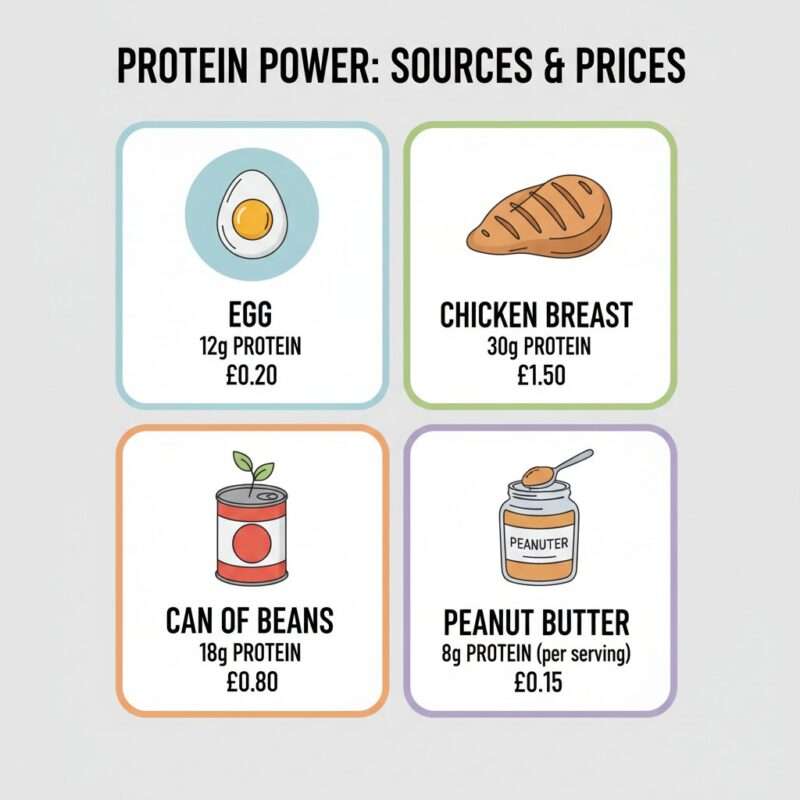
Protein needs: Aim for 0.8-1g per kg of body weight. If you weigh 70kg, that’s 56-70g daily minimum. One chicken breast has about 30g. Two eggs have 12g. A cup of lentils has 18g.
Cheap protein sources: Eggs (cheapest!), canned beans, frozen chicken, tinned fish, peanut butter, milk, Greek yogurt. These all last longer and cost less than fresh meat.
Carbs aren’t evil: Rice, pasta, oats, bread—these fuel your brain and body. Just balance them with protein and vegetables.
Vegetables don’t have to be fresh: Frozen vegetables are just as nutritious, often cheaper, and won’t spoil if you can’t cook immediately. Keep a bag of frozen mixed veg in your freezer.
Hydration target: Roughly 2-3 liters daily. More if you’re very active or it’s hot. Your pee should be light yellow-if it’s dark, drink more.
Vitamin D matters: Especially if you moved to a country with less sun. Consider a supplement (they’re cheap). Low vitamin D affects mood and energy.
Meal timing is flexible: Don’t stress about eating breakfast if you’re not hungry. Don’t force six small meals if three larger ones suit your schedule better. What matters most is total daily intake.
Budget-friendly essentials: Buy in bulk when possible. Dried goods (rice, pasta, oats, beans) are your friends. One rotisserie chicken provides 3-4 meals. Meal prep on your day off.
Simple Meal Prep Recipe: Budget Chicken & Rice Bowls
Prep time: 15 minutes
Cook time: 30 minutes
Servings: 5 meals
Cost per serving: ~£2.20
Ingredients:
- 500g chicken thighs (£3.50)
- 400g rice (£0.40)
- 500g frozen mixed vegetables (£1.00)
- 3 tbsp soy sauce (£0.30)
- 2 tbsp cooking oil (£0.20)
- Garlic powder, salt, pepper (£0.10)
Total cost: £10.50 for 5 meals
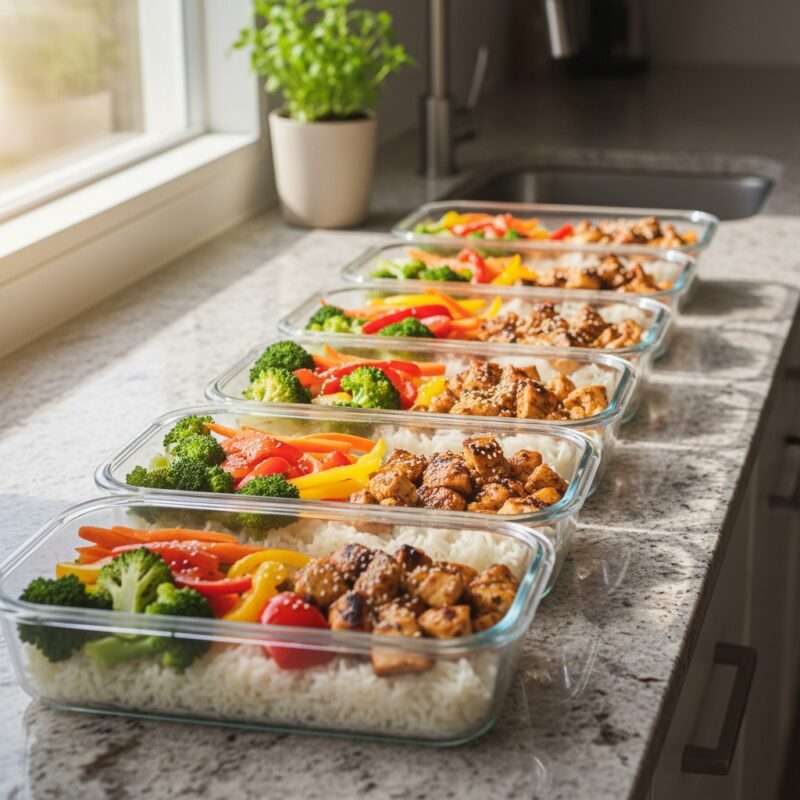
Instructions:
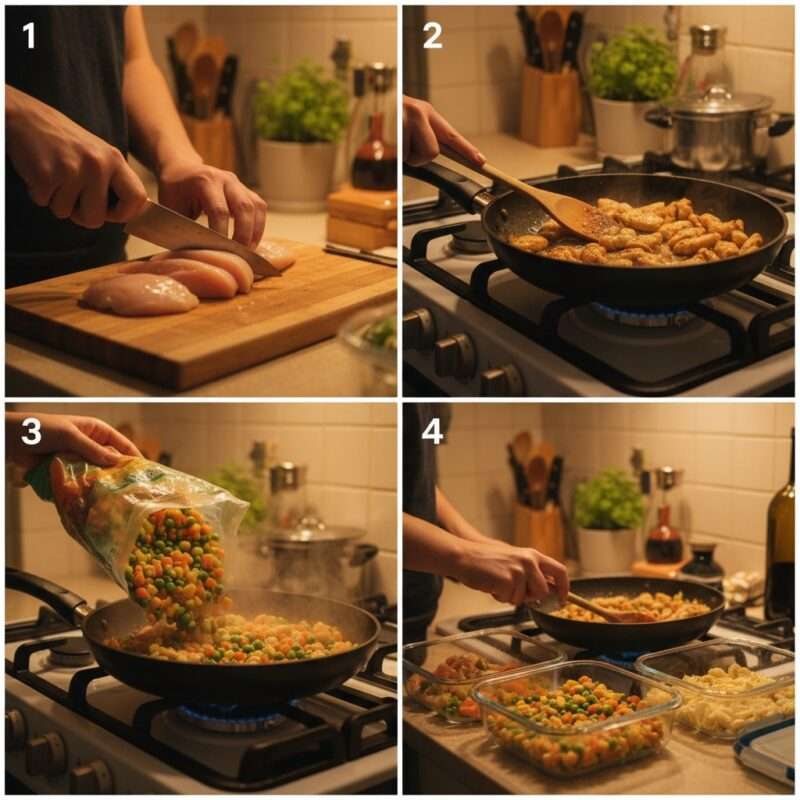
- Cook rice according to package (usually 2 cups water per 1 cup rice)
- Cut chicken into bite-sized pieces, season with salt, pepper, garlic powder
- Heat oil in large pan, cook chicken until done (about 7-8 minutes)
- Add frozen vegetables to same pan, cook 5 minutes
- Add soy sauce, mix everything together
- Divide into 5 containers with rice on bottom, chicken and veg on top
Nutrition (per serving):
- Calories: 520
- Protein: 38g
- Carbs: 62g
- Fat: 12g
- Fiber: 4g
Notes:
Storage: These keep 4-5 days in the fridge, or freeze 2-3 portions for later. Thaw overnight and microwave 2-3 minutes.
Variations: Swap chicken for tinned chickpeas (cheaper, vegetarian). Use whatever frozen vegetables are on sale. Add hot sauce or curry powder for different flavors.
Why this works: High protein keeps you full. Simple ingredients are easy to find anywhere. Prep once, eat five times. Each meal costs less than one takeout coffee but actually fuels your body properly.
Fitness calculator connection: Input one serving into your calculator to see how it fits your daily targets. This single recipe might provide 40% of your protein needs and 25% of your calories—leaving room for breakfast and snacks while staying on track.

Real talk: Will you get tired of eating this five days straight? Maybe. That’s why I make two different batches—one with chicken and soy sauce, another with different seasoning or protein. Variety helps. But even eating the same thing beats skipping meals because you’re too tired to figure out food.
Time-saving tip: Make this Sunday evening. Pack tomorrow’s lunch immediately. Future you will be grateful when morning-you is rushing out the door.
Look, I’m not going to pretend that using a fitness calculator will solve everything about living far from home. It won’t.
But it helps. It’s one small piece of taking care of yourself when everything else feels hard. And some days, that’s enough.
You deserve to feel good in your body, even when your heart is homesick. Start small. Check the calculator. Make one better choice. Then another. They add up faster than you’d think.
You’ve got this. I promise.